
When it comes to recovering from a stroke, traditional therapy methods can only do so much. But what if there was a treatment that could significantly improve outcomes for stroke victims? Hyperbaric oxygen therapy (HBOT) is a cutting-edge treatment that has shown promise in helping stroke victims regain function and improve their quality of life.
Strokes are a leading cause of disability worldwide, with survivors often facing long and challenging roads to recovery. While traditional therapy methods such as physical and occupational therapy are essential, new treatments like HBOT are offering hope for improved outcomes.
In recent years, HBOT has gained attention for its ability to enhance recovery in stroke victims by increasing oxygen levels in the brain and promoting the growth of new blood vessels.
Research has shown promising results, but there is still much to learn about the potential benefits of this therapy. By exploring the intersection of pressurized oxygen environments and stroke rehabilitation, a deeper understanding of how HBOT may positively impact recovery outcomes emerges.
Let’s go ahead and explore the potential of HBOT in treating stroke victims and aiding in their recovery.
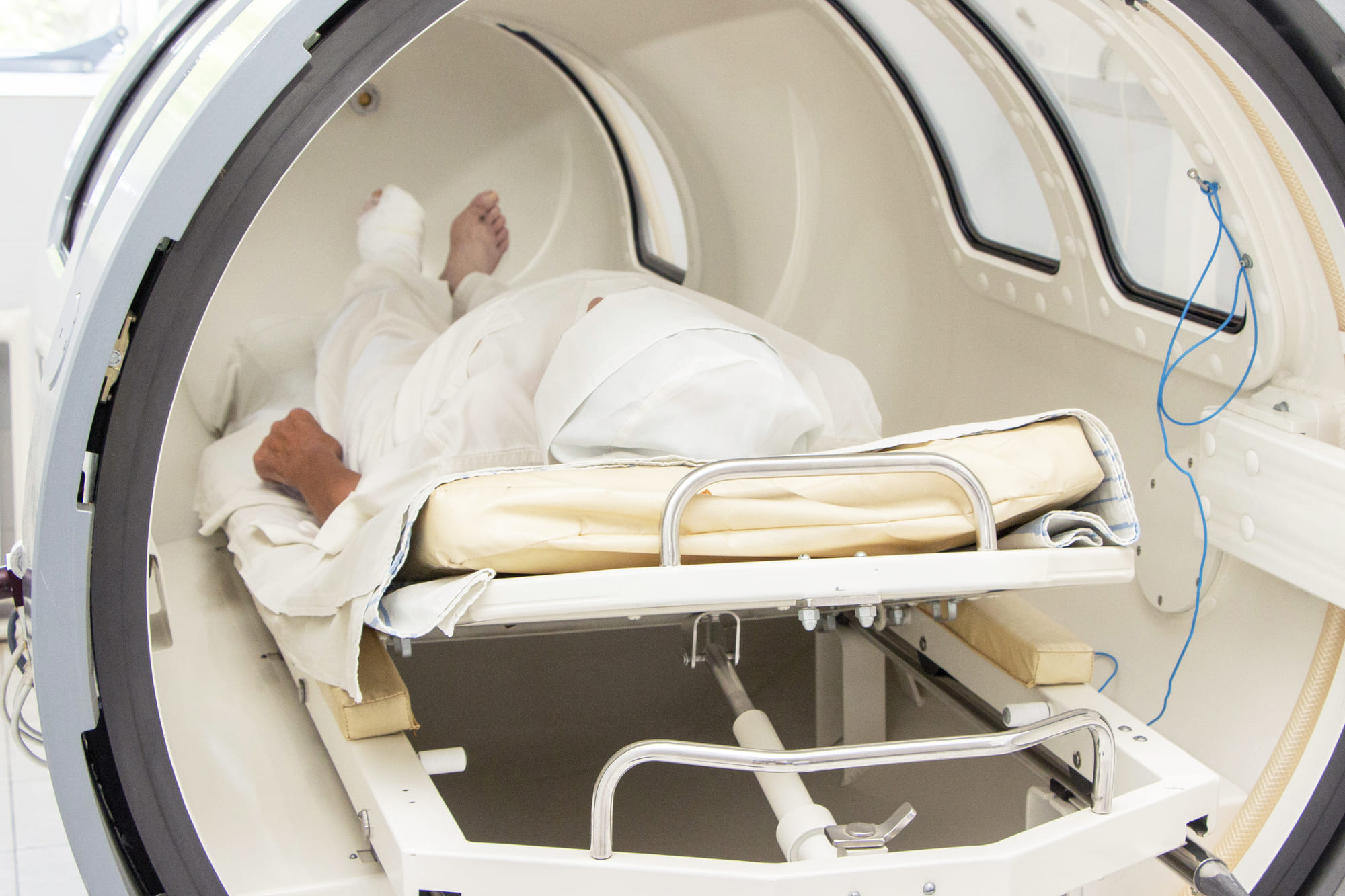
Hyperbaric Oxygen Therapy (HBOT) and hyperbaric chambers have been utilized for several years to address various medical conditions, such as decompression sickness in scuba divers, soft tissue healing, severe anemia, radiation injuries, and more. This therapy entails inhaling pure oxygen within a pressurized chamber or tube, with the goal of bolstering the body’s innate healing mechanisms.
This secure, FDA-approved technology essentially involves breathing in increased levels of oxygen under higher pressures.
A hyperbaric chamber is a sealed unit used for HBOT, a treatment that enhances well-being and addresses specific medical conditions. This chamber or tube allows you to inhale pure oxygen at elevated levels of pressure greater than what is found in the normal atmosphere at sea level. This enables your lungs to absorb more of this essential element than they would under regular conditions.
According to the Undersea and Hyperbaric Medical Society (UHMS), hyperbaric oxygen therapy (HBOT) involves a patient breathing 100 percent oxygen at pressures of 1.4 ATA (atmospheres absolute) or above, which is higher than the standard atmospheric pressure at sea level.
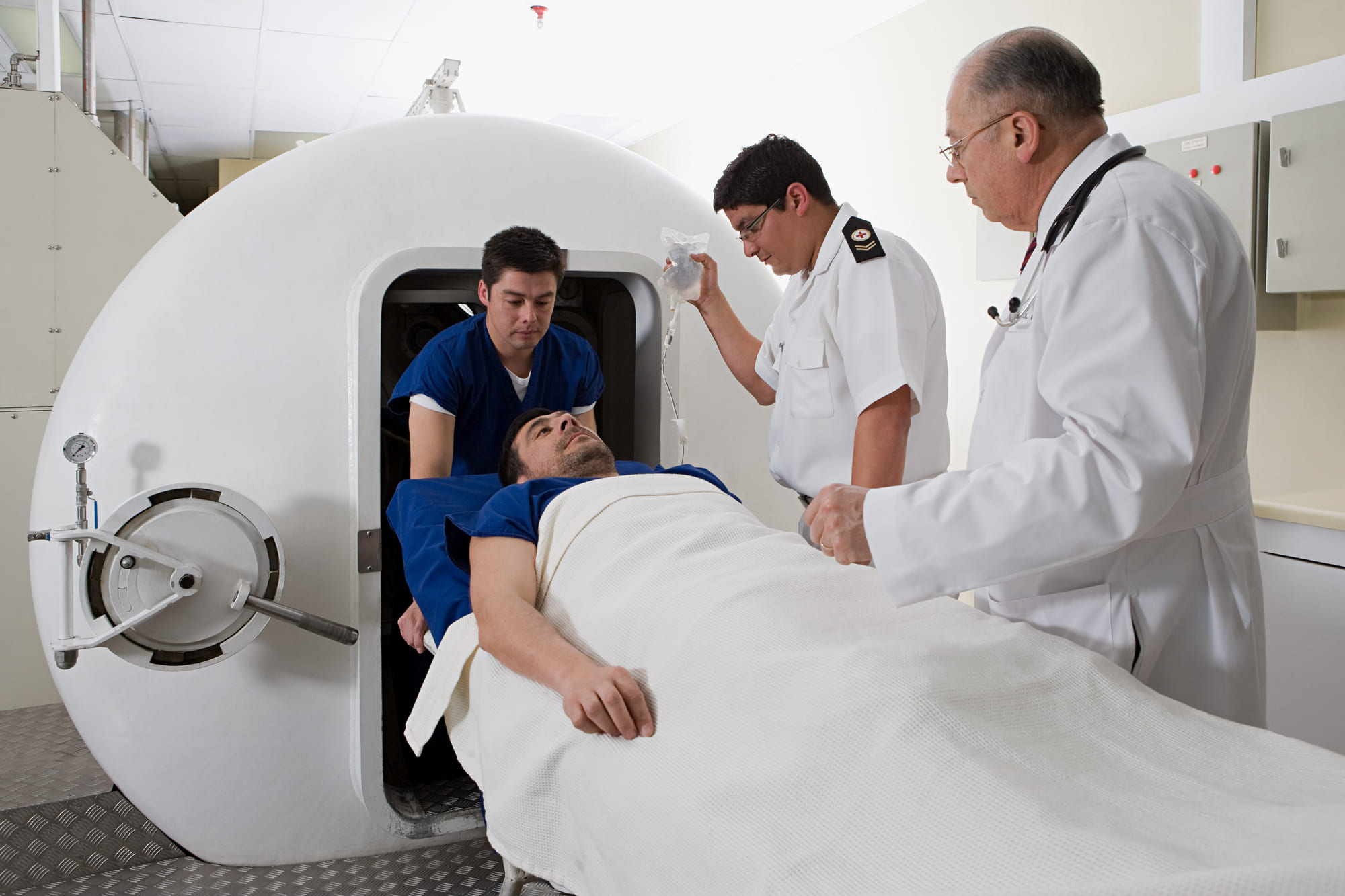
Hyperbaric oxygen chambers vary in size and design, with the two most common types being monoplace and multiplace chambers, designed for single or multiple occupants, respectively.
Hyperbaric oxygen therapy entails a patient inhaling pure oxygen within a pressurized chamber, enabling the lungs to absorb more oxygen than usual. This heightened oxygen concentration in the blood offers various advantages, including accelerating wound healing and injury recovery, as well as potentially combatting specific infections.
Recent studies have unveiled additional benefits of hyperbaric oxygen therapy, such as increasing energy levels, enhancing athletic performance, and promoting overall well-being.
By comprehending the applications and impacts of hyperbaric oxygen therapy, individuals can make informed decisions about integrating this treatment into their healthcare regimen, empowering themselves or any patient in the process.
Hyperbaric oxygen therapy (HBOT) has gained FDA approval for a wide range of medical treatments, supported by decades of research and successful application in various conditions. HBOT has been approved and is clinically used for several medical conditions, including, but not limited to:
The proven benefits of HBOT go beyond these applications, extending to improved circulation, enhanced immune response, and accelerated healing processes.
Studies have also proved that repeated but periodic exposure to high levels of oxygen has been demonstrated to trigger physiological regenerative processes typically associated with hypoxia, meaning
These effects include the formation and repair of neurons (neurogenesis), the proliferation of stem cells, and the development of new blood vessels (angiogenesis).
As defined by Jickling et al. in 2014, a stroke is a “sudden loss of blood supply to brain tissue resulting from either hemorrhagic or ischemic pathology causing severe neurological deficit” or brain cell damage.
Although the symptoms can vary widely, several symptoms are present in a large percentage of cases, as reported mostly by post stroke patients:
It is important to note that some stroke victims may not experience any symptoms at all, a condition known as a silent stroke. These individuals may not realize they have had a stroke until days, weeks, or even months later, when the damage becomes evident.
This is why it is crucial to be aware of the risk factors for stroke and to seek medical attention immediately if any of the above symptoms are present.
Broadly, two main types can occur: hemorrhagic and ischemic strokes.
Hemorrhagic strokes happen when a weakened blood vessel ruptures, causing bleeding in the brain. They are overwhelmingly fatal, which is why a smaller share of post-stroke patients are survivors of this type of trauma.
Ischaemic strokes, on the other hand, occur when a blood clot blocks a blood vessel in the brain, cutting off blood flow.
Both a hemorrhagic and an ischemic stroke, if survived, can result in serious complications for individuals, leading to long-term disabilities that can include intense physical and mental therapy that can do little to regenerate the damaged tissue at the core of the problem.
Among the most common long-term complications from stroke on victim’s quality of life and health are:
It is because of how damaged brain tissue plays a large part in these disabilities that hyperbaric oxygen therapy is being explored as a potential stroke recovery treatment and therapy for stroke patients.
In recent clinical studies investigating the efficacy of hyperbaric oxygen therapy (HBOT) for post-stroke patients, promising results have emerged, shedding light on the potential benefits of enhancing recovery outcomes.
HBOT involves breathing pure oxygen in a pressurized room, which allows high levels of oxygen to dissolve into the bloodstream and reach areas of the brain affected by stroke. Research indicates that this increased oxygen delivery may help reduce inflammation, promote the growth of new blood vessels, and support the brain’s natural healing processes following a stroke.
For example, one of the most recent and comprehensive studies about this was conducted in Israel in 2020. It showed that HBOT generated significant improvements in all “cognitive domains, even in the late chronic stage” in the vast majority of 162 post-stroke patients who were suffering chronic stroke involved in the study.
Another meta-study found that a wide variety of methods and protocols of hyperbaric oxygen treatment can have benefits, and those benefits extend even into priming stroke-affected tissue into receiving neural stem cells for further recovery.
This other study from Israel in 2013 revealed the vast help that HBOT provided the body with an increased ability of “neuroplasticity,” which refers to the nervous system’s ability to reroute pathways, heal, and find ways to compensate for damaged tissue. The end result made it clear: “The neurological functions and life quality of all patients in both groups were significantly improved following the HBOT sessions, while no improvement was found during the control period of the patients in the cross group.”
So, study after study indeed shows that HBOT can potentially improve neurological outcomes with regard to motor function, cognitive abilities, and overall quality of life for survivors. By providing the brain with the oxygen it needs to repair and regenerate damaged tissue, HBOT shows promise as a complementary treatment for stroke recovery.
Further research is needed to fully understand the mechanisms behind HBOT’s benefits and to optimize treatment protocols for stroke patients seeking to improve their outcomes and quality of life.
We’ve now established that recent studies have highlighted the significant benefits that hyperbaric oxygen therapy (HBOT) can offer to stroke survivors in enhancing their recovery outcomes.
So, to summarize, the effects of hyperbaric oxygen therapy (HBOT), which has been found to offer several benefits to stroke survivors, include:
Some of the specific long-term complications or effects of stroke that HBOT can help treat include:
Overall, while more research is needed to fully understand the benefits of HBOT for stroke survivors, current evidence suggests that it may offer a promising adjunctive therapy to conventional stroke rehabilitation programs.
Research findings suggest that stroke victims undergoing hyperbaric oxygen therapy may start noticing improvements in their condition within a few weeks of starting the treatment. These improvements can manifest in various ways, such as enhanced recovery outcomes, improved cognitive functions, and stabilized blood pressure levels.
The effects of hyperbaric oxygen therapy on stroke victims are believed to be due to the increased oxygen levels in the blood, which can help in supporting brain tissue repair and function. Patients often report feeling more alert and experiencing better overall well-being as they progress through their hyperbaric oxygen therapy sessions.
Monitoring these changes and the overall progression of the patient’s condition is crucial in assessing the effectiveness of the treatment in improving the outcomes for stroke victims.
Hyperbaric oxygen therapy has been shown to significantly increase blood flow to the brain, a crucial factor in supporting the potential benefits for stroke victims undergoing this treatment. By exposing the body to increased atmospheric pressure within a hyperbaric chamber, more oxygen dissolves in the blood, leading to higher oxygen levels reaching the brain.
This heightened oxygen delivery can aid in improving the condition of brain tissues affected by stroke, potentially enhancing the healing process and overall outcome for the individual. The increased pressure helps the blood carry more oxygen, which is essential for cellular function and repair.
Therefore, this improved blood flow to the brain is a key mechanism by which hyperbaric oxygen therapy may positively impact stroke recovery.
If you are pregnant, have a history of spontaneous pneumothorax, or suffer from specific untreated lung conditions, it is recommended to avoid HBOT. Individuals with uncontrolled high fevers, claustrophobia, or those who have recently undergone ear surgery may also need to forgo hyperbaric oxygen therapy sessions.
Furthermore, if you have a history of seizures or are under the influence of alcohol or drugs, it is advisable to steer clear of HBOT.
Ensuring your safety and overall well-being is of utmost importance when determining whether hyperbaric oxygen therapy is suitable for you.
While hyperbaric oxygen therapy shows promise in aiding stroke recovery, there are some considerations to keep in mind. One potential disadvantage is the risk of oxygen toxicity, which can occur if the therapy is administered at high pressures for extended periods.
Typically, HBOT treatment is done at 2.5 atmospheres (ATM) for an hour to an hour and a half each session, but this can vary depending on each treatment facility. Anything above that 2.5 limit can lead to oxygen toxicity, increase oxidative stress throughout the body, and even increase the risk of seizures in some patients, which is why patients with a risk of them are not recommended for HBOT.
Additionally, some individuals may experience discomfort in their ears or sinuses during the treatment due to the changes in pressure.
It’s crucial for healthcare providers to carefully assess each patient’s suitability for hyperbaric oxygen therapy to minimize any potential risks. Despite these drawbacks, when used appropriately and under professional supervision, oxygen therapy can still offer significant benefits in the rehabilitation process for stroke victims.
The research findings on hyperbaric oxygen therapy for stroke victims highlight its potential benefits in enhancing rehabilitation outcomes.
Recent studies have supported the therapeutic advantages of HBOT in promoting tissue repair and neuroplasticity post-stroke. Integrating HBOT into stroke rehabilitation protocols may offer significant advantages in improving recovery and overall quality of life for individuals recovering from a stroke. If you are a post stroke patient, then it might be worthwhile to discuss this with your healthcare provider or physician.