
In a world saturated with environmental toxins, chronic stress, and digital overload, many people are looking for ways to restore balance without relying solely on high-tech solutions. Grounding detox—returning the human body to direct contact with the earth’s surface—offers a simple practice with far-reaching health implications. At ReEnergized, we make wellness approachable through alternative and complementary medicine, and every member can use our grounding mats at no cost as part of a comprehensive approach to recovery and resilience.
Grounding or earthing means creating direct physical contact between the human body and the earth’s surface. Outdoors, that can be as simple as walking barefoot on grass, soil, or sand. Indoors, you can connect through grounding products such as a grounding mat, grounding sheets, grounding socks, grounding patches, a grounded yoga mat, or adhesive patches plugged into a verified grounding port. The goal is direct skin contact that allows the body to interface with earth’s surface electrons.
From a bioelectric perspective, the body’s tissues and blood cells conduct charge. When you practice grounding, the earth can transfer electrons into the body. These free electrons act like natural antioxidants that neutralize free radicals, helping to steady the inflammatory response. This biological grounding may support healthy tissues by reducing oxidative stress and supporting immune function, blood flow, and cellular signaling. Although more large-scale studies are needed, research evidence—including randomized controlled trial designs, clinical observations, and subjective reporting—suggests promising directions that are relevant to environmental and public health.
Detox organs such as the liver, kidneys, lymphatic system, skin, and gut depend on robust circulation, stable cortisol levels, and a well-regulated immune system. Grounding’s health benefits appear to touch each of these foundations. By reducing oxidative stress and blood viscosity, grounding can improve blood flow and nutrient delivery while easing the transport of metabolic waste. When people practice earthing consistently, many report fewer detox symptoms, better sleep, steadier mood, and more predictable energy—outcomes that help the body self-regulate. Occasional earthing detox symptoms can occur as routines change; gentle hydration, breathwork, and gradual session length can help.
The earth’s surface electrons carry a net negative charge. Through direct contact the body can absorb free electrons that neutralize free radicals, which are highly reactive molecules that contribute to cellular damage. Inflammation research has associated excess free-radical activity with chronic inflammation, autoimmune diseases, and cardiovascular disease. By supplying electrons, grounding may function as a universal anti inflammatory remedy in a systems-level sense—supporting the conditions under which the body calms immune overactivity and repairs itself.
Several pilot studies and small trials suggest grounding can improve blood flow by modifying zeta potential—the electrical property that influences how red blood cells interact—thereby reducing clumping and supporting smoother circulation. Lower blood viscosity reduces friction in vessels and may support healthy blood pressure. Some papers and practitioner reports note that in individuals with hypertension improves blood pressure outcomes are sometimes observed when grounding is used as part of broader lifestyle medicine strategies. While not a substitute for medical treatment, this line of inquiry raises important public health questions about simple, low-risk habits that may complement care for high blood pressure and chronic disease.
Randomized and controlled sleep studies have reported changes consistent with improved circadian alignment and stress modulation when participants used grounding sheets at night. Measures tied to cortisol levels—the body’s primary stress hormone—often trend toward a more natural diurnal curve, which helps reduce stress and improve sleep quality. Because sleep is when the brain and detox organs perform major maintenance, better sleep indirectly supports detox.
Clinical observations and small trials have documented associations between grounding and faster wound healing, reductions in muscle damage after strenuous activity, and improvements in perceived pain. Proposed mechanisms include lowered inflammatory signaling, improved microcirculation, and membrane stabilization that facilitates cellular repair. While more data are needed, these reports align with what grounding patients often notice during recovery phases.
While grounding doesn’t directly “pull out” toxins or microplastics, it helps create the internal balance your body needs to process and eliminate stressors more efficiently.
Numerous studies have shown that grounding reduces pro-inflammatory markers, such as C-reactive protein (CRP), and helps increase the production and health of white blood cells, thereby regulating immune function. Lower inflammation = more efficient detox.
Earthing has been shown to reset circadian rhythms, reduce cortisol levels, and improve sleep quality. This is crucial because poor sleep and chronic stress can impair the liver, kidneys, and gut, which are your body’s primary natural detox systems.
Research indicates that grounding improves blood viscosity (thickness) and flow by increasing the zeta potential, which prevents red blood cells from sticking to one another, thereby making it easier for the body to transport nutrients and remove waste.
By balancing the body’s electrical environment, earthing may support more efficient cell signaling and repair processes, including those needed for toxin removal, inflammation control, and tissue regeneration.
Outdoor practice grounding is straightforward: walk with bare feet on conductive natural surfaces like grass, soil, or sand for at least 30 minutes. Lakeshores and beaches are excellent because moisture increases conductivity. If you feel chest pain, dizziness, or other alarming symptoms during activity, stop and seek medical treatment; grounding is supportive, not a replacement for care.
Indoor options are useful when weather or schedules make outdoor time harder. Indoor earthing products such as a grounding mat under the desk, a grounding sheet on the bed, or grounding socks you wear while seated can provide continuous low-level contact. Always verify outlets and cords to prevent faulty wiring and avoid any risk of electric shock. If you’re unsure, have a qualified professional test the grounding port and the outlet with a simple tester.
Morning reset: five minutes of walking barefoot in the yard to set a calm tone for the day.
Workday support: keep a grounding mat under your feet at your workstation and occasionally rest your hands on it for direct contact.
Training and recovery: stretch on a grounded yoga mat after workouts to reduce muscle damage signals and ease soreness.
Evening wind-down: sleep on a grounding sheet; many people report they improve sleep quality and wake more refreshed.
Travel routine: bring compact grounding patches or adhesive patches to re-sync after flights.
Integration With Other Therapies at ReEnergized
We believe in integrating grounding with evidence-informed modalities. After HBOT, grounding may help steady energy and reduce oxidative stress. Following red light therapy or infrared sauna sessions, grounding can reduce stress reactivity and support lymphatic circulation. After cryotherapy or a cold plunge, grounding helps the nervous system settle and may accelerate post-session recovery. These combinations fit naturally into anti aging medicine thinking: pair targeted tools with simple, restorative habits.
People managing chronic fatigue, chronic inflammatory patterns, autoimmune diseases, or high blood pressure may find grounding especially helpful as part of a broader plan supervised by a healthcare professional. Athletes and active individuals appreciate quicker turnaround between sessions. Office workers often report clearer focus and fewer body aches when using a grounding sheet or mat during long days at a desk.
Use only tested cords and plates, keep devices dry, and check cords regularly for wear. If you ever feel tingling from a device that seems unusual, disconnect immediately and have the setup inspected. Indoors, make sure there is no faulty wiring. Sensitive populations should consult their provider before changing routines, especially if they experience chest pain or are adjusting medications.
Direct contact with the earth’s surface is the simplest route—walking barefoot is the classic starting point. When that’s not feasible, indoor earthing products extend access: grounding mats at work, grounding sheets for overnight use, grounding socks while reading, grounding patches on the couch. Rotating options makes it easier to practice grounding daily without feeling like it’s a chore.
From a public health lens, low-cost, low-barrier habits that help reduce chronic inflammation, improve blood pressure regulation, and support immune system balance deserve attention. Grounding’s potential health benefits touch multiple systems at once, and the practice dovetails with lifestyle medicine strategies aimed at cardiovascular disease risk reduction and whole-person resilience. While we still need more large-scale trials, the convergence of mechanistic plausibility, preliminary studies, and lived experience suggests that integrating grounding is a rational, safe adjunct.
| Benefit | Mechanism | Why It Supports Detox |
|---|---|---|
| Reduces Inflammation | Delivers antioxidants to neutralize free radicals | Keeps detox pathways open and unburdened |
| Balances Cortisol & Sleep | Regulates circadian rhythms, reduces stress | Supports liver, gut, and immune system detoxification |
| Improves Circulation | Enhances blood flow, lymphatic/venous return, and nutrient delivery | Aids in transporting toxins to elimination organs |
| Supports Cell Signaling | Stabilizes bioelectrical activity | Boosts communication between detox-related cells |
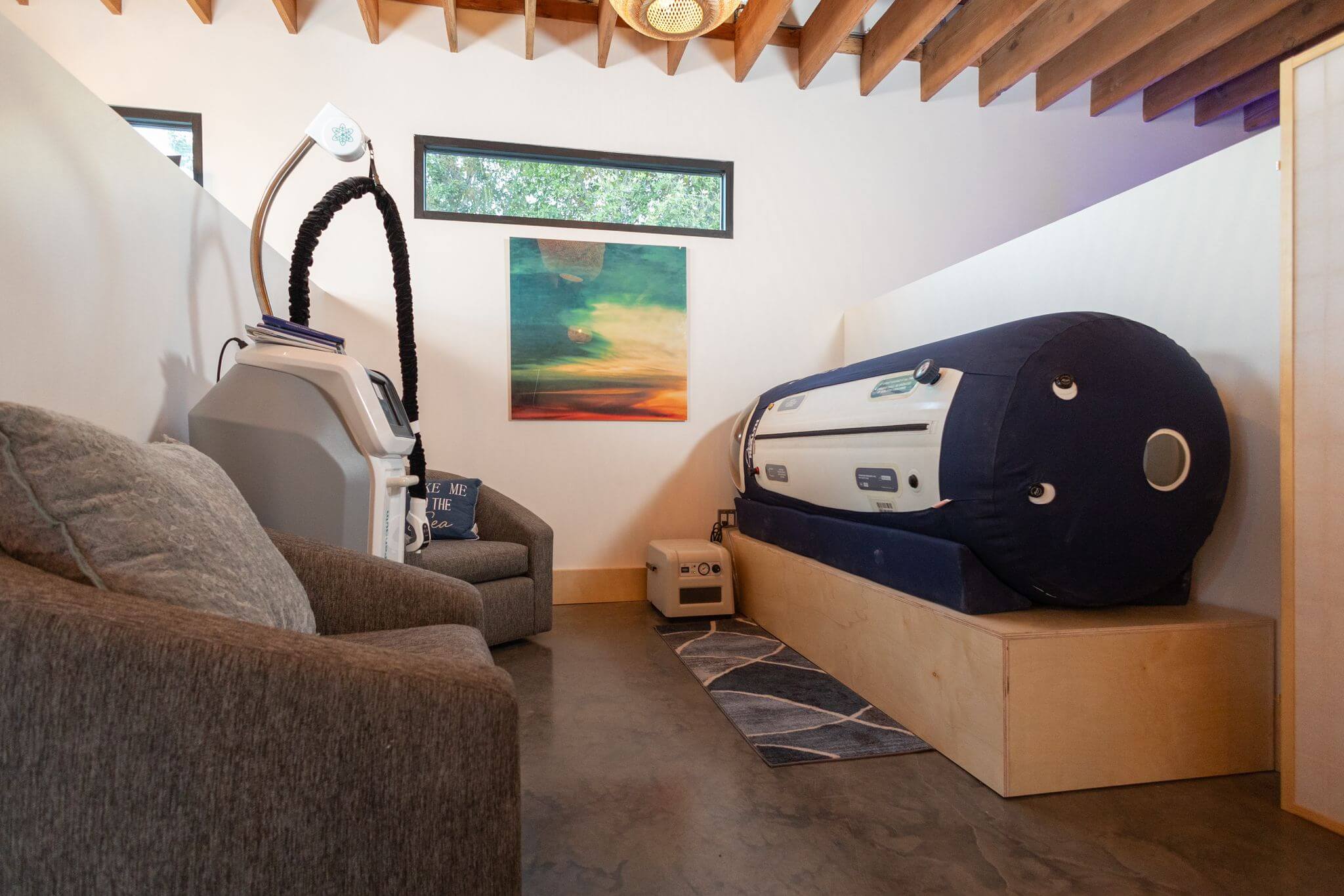
Grounding is the perfect recovery tool to pair with your other sessions at ReEnergized:
Plus, it’s completely passive, so you just sit or lie down on the mat, breathe deeply, and let your body do the work.
To maximize the benefits of earthing for natural detoxification within your wellness routine, it’s essential to incorporate a few best practices:
By following these practices, you can effectively integrate earthing into your daily routine, helping to rejuvenate your body’s natural detox pathways and support overall wellness.
At ReEnergized, we believe that peak wellness should be effective, empowering, and accessible. That’s why we offer complimentary use of our earthing mat to all members – no booking is required.
It’s a simple and restorative way to end your session or transition into the rest of your day.
ReEnergized pairs modern modalities with nature’s fundamentals to support the whole person. Our team provides space and tools for practice earthing, from quiet corners equipped with a grounding mat to recovery rooms with grounding sheets and a grounded yoga mat. We encourage integrating grounding into breathwork, contrast therapy, and light movement so the effects tend to accumulate rather than fade.
Book a session, arrive a few minutes early, and start with five to ten minutes of direct contact on a grounding mat after your chosen therapy. Notice how you feel in the hours that follow—sleep quality, energy, mood, and recovery. Increase gradually to the 30–60 minute range. Many grounding patients find that within a few weeks they improve sleep, reduce stress reactivity, and perceive steadier day-to-day energy.
Grounding is not a cure-all, and it is not meant to replace medical treatment. It is a foundational habit that helps the body do what it is designed to do: neutralize free radicals, modulate the inflammatory response, improve blood flow, and coordinate immune response. When viewed through the lens of systems biology, electronic nutrition—regular exposure to the earth’s energy—looks less like a trend and more like the restoration of a missing input. For the modern human body, adding back that input may be one of the simplest ways to support detox organs, reduce the burden of oxidative stress, and restore a sense of calm clarity to daily life.
If you’re ready to experience grounding’s health benefits for yourself, visit ReEnergized. Our team will help you integrate grounding techniques safely and comfortably, using high-quality indoor earthing products and verified connections. Walk in with bare feet or rest on a grounding sheet after your session. Either way, you’ll be practicing a time-tested, science-informed habit that supports the whole of you—from cells to systems.
Grounding is ideal for:
Some people notice warmth, a subtle calm, or improved sleep quickly; others need steady practice. As with any lifestyle intervention, consistency matters.
Always consult your clinician. Grounding is generally considered low risk, but personalized medical guidance is best.
What about urban living? Even small patches of grass or a potted soil box on a balcony can help. Indoors, use certified products and a verified grounding port.
Yes—while the field needs larger, multi-center trials, a growing body of biomedical journal articles, a randomized controlled trial or two, case series, and practitioner reports provide research evidence and useful hypotheses. Subjective reporting from participants often aligns with the measured trends.
Start with 15–30 minutes daily and increase as comfortable. Pair grounding with breathwork to reduce stress and stabilize mood. Keep notes on sleep, energy, and recovery to track your own patterns. If you notice detox symptoms such as unusual fatigue or mild headache when you begin, shorten sessions and hydrate; most people adapt within days.