Two Very Different Products Sharing One Name
“Hyperbaric oxygen therapy” gets used as a catch-all term, and while it is indeed a single therapeutic concept, in reality, it encompasses two distinct product types: hard-shell and soft-shell chambers.
These products are as different as night and day in terms of construction, capability, and clinical use. Hard-shell chambers, found primarily in hospitals and specialized clinics, are robust structures that can reach pressures of 2.0 ATA (atmosphere absolute) and beyond, enabling medical treatments supported by extensive scientific research. On the other hand, soft-shell chambers are more akin to consumer tents; they are portable, inflatable devices that are typically limited to pressures around 1.3 ATA.
While hard and soft chambers share the foundational concept of delivering pressurized oxygen to the body, the differences in their research backing, regulatory approval, and therapeutic efficacy are significant. As a result, their names might be similar, but their applications and outcomes differ markedly, leaving potential users or patients with the important task of discerning which type is suitable for their health needs.
In this article, we delve into the distinctions between hard-shell and soft-shell hyperbaric chambers, highlighting why the details of pressure, materials, and regulation matter so much.
What is Hyperbaric Oxygen Therapy?
Hyperbaric oxygen therapy (HBOT) refers to the medical practice of delivering pure oxygen to patients within a pressurized chamber, designed to enhance the body’s natural healing processes. When they increase the atmospheric pressure, these chambers allow for a higher percentage of oxygen to be dissolved in the blood. This higher oxygen concentration promotes faster recovery and tissue healing, particularly in oxygen-deprived tissues.
Most Common Hyperbaric Chambers
In the landscape of hyperbaric oxygen chambers, there are two primary types: hard-shell hyperbaric chambers and soft-shell chambers.
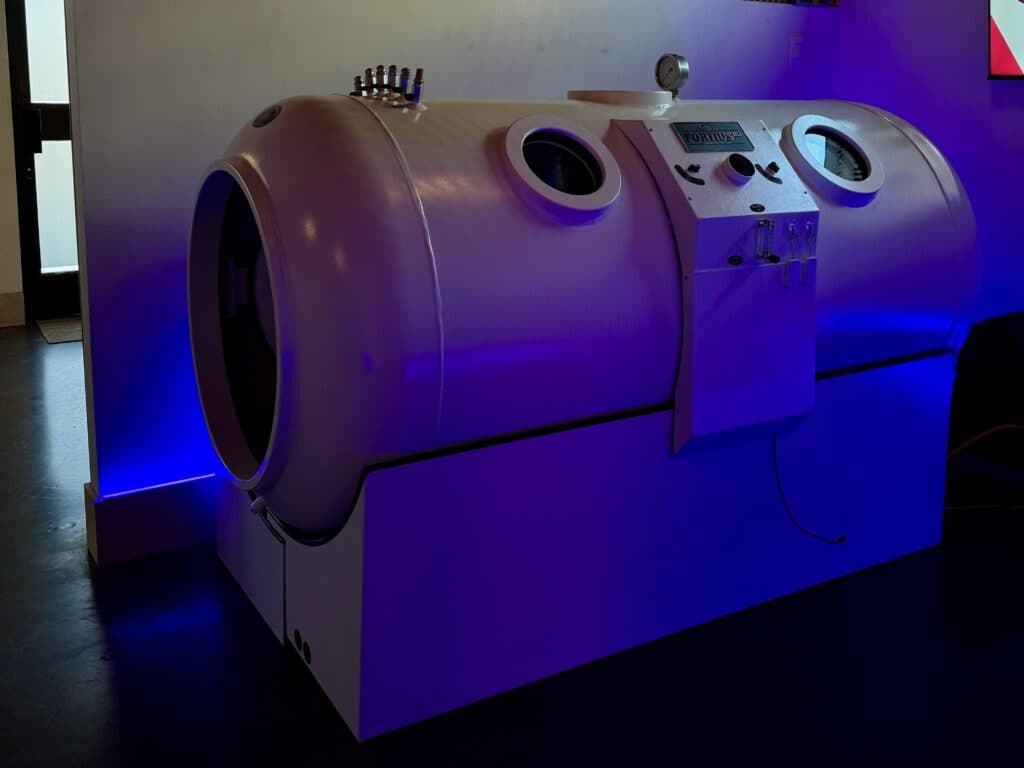
- Hard-shell hyperbaric chambers, also known as hard-sided chambers, typically used in medical facilities, are constructed from durable materials such as medical-grade stainless steel or advanced composites. Most FDA-approved chambers are in this category, and can withstand higher pressure levels, often exceeding 2.0 atmospheres absolute (ATA), and are primarily employed for treating a variety of serious medical conditions. Such conditions include carbon monoxide poisoning, gas gangrene, radiation injury, autoimmune disease symptoms, and severe infections like diabetic foot ulcers and burns.
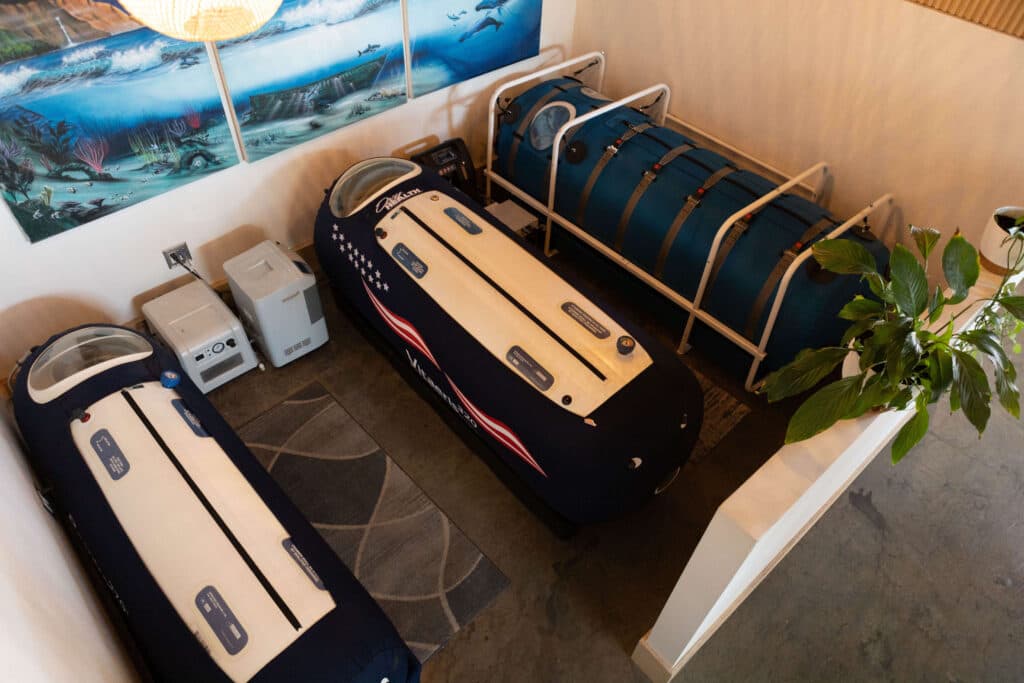
- Soft-shell hyperbaric oxygen chambers (also known as soft-sided hyperbaric chambers), in contrast, are designed for portability and are often associated with home use as well as treating altitude sickness and decompression sickness. Made from reinforced polymers, these chambers achieve lower atmospheric pressures, typically around 1.3 ATA, and are more accessible to the general public. Although beneficial for certain wellness purposes or minor recovery needs, soft chambers lack the FDA clearance and regulatory backing for treating serious medical conditions and are not supported for those uses by agencies like the Undersea and Hyperbaric Medical Society or the National Fire Protection Association.
This distinction, and proper application, between these two types of hyperbaric chambers is crucial for anyone considering oxygen therapy, as the effectiveness largely depends on the type of chamber used and the specific medical needs of the patient.
What the Facts Actually Show in the Hard-Shell vs Soft-Shell Hyperbaric Chamber Comparison
What’s the real regulatory difference?
This is the clearest, most objective distinction available. The FDA and the Undersea and Hyperbaric Medical Society (UHMS) recognize 14 specific medical conditions for hyperbaric oxygen therapy, including non-healing wounds, radiation injury, compromised surgical grafts, and severe anemia. Every single one of those 14 recognized indications is treated in hard-shell hyperbaric chambers at pressure levels of 2.0–2.5 ATA. Soft chambers capped at 1.3 ATA are not FDA-cleared to treat any of those 14 conditions, with their clearance being limited to milder conditions, like acute mountain sickness. A soft-shell chamber can be legally sold and marketed, but using it for wound healing, brain injury recovery, or any of the 14 recognized indications is considered off-label use, not the treatment the research describes.
Does the published research actually distinguish between the two?
Yes, and this matters more than most marketing acknowledges. Virtually every clinical study behind HBOT’s established benefits, from wound healing to radiation injury recovery, TBI research, and PTSD trials, was conducted using hard-shell chambers operating at 2.0 ATA or above. Soft-sided hyperbaric chamber, 1.3 ATA protocols represent a fundamentally different oxygen dose, and outcomes from hard sided hyperbaric chamber research don’t automatically transfer to a soft-shell experience, regardless of what the marketing implies. The hyperbaric oxygen chamber setup, pressure levels, and blood oxygen levels (arterial blood gas levels) in these studies typically involve medical-grade systems and specialized staff found in professional facilities, ensuring precise control and safety for serious medical conditions.
Why can’t soft-shell chambers just be built to reach higher pressure?
It’s a design and safety constraint, not a choice. Reaching and safely sustaining more than 2.0 atmospheres of pressure requires the use of hard hyperbaric chambers, which are typically constructed from rigid materials like medical-grade stainless steel. These rigid metal chambers incorporate redundant safety protocols, such as precise pressure control systems, and comply with facility-level fire and pressure-vessel codes, such as NFPA 99 in the U.S.
Soft hyperbaric oxygen chambers, often made of reinforced polymers or advanced composites, aren’t built to hold that level of pressure safely. This structural limitation is why soft-sided chambers are capped at 1.3 ATA, which is determined by their design constraints rather than any conservative safety margin that the material could otherwise handle.
Is mild (1.3 ATA) soft chamber hyperbaric therapy worthless, then?
No, but it’s a different tool for a different job. Mild hyperbaric oxygen therapy has its own, smaller body of research behind it, addressing issues such as stem cell mobilization, athletic recovery, and mild inflammation modulation. It’s reasonable for general wellness and home use, or as portable hyperbaric chambers, with realistic expectations.
The challenge arises when soft chambers with 1.3 ATA protocols are marketed using research and outcomes that were only demonstrated at higher pressure levels, specifically in hard shell hyperbaric chambers reaching 2.0 ATA and above. This results in applying findings from one hyperbaric oxygen chamber environment to a fundamentally different one.
How should this actually change what someone looks for?
If your goal aligns with any of the 14 FDA-recognized indications for serious medical conditions such as decompression sickness, carbon monoxide poisoning, or diabetic foot ulcers, then a hard hyperbaric oxygen chamber capable of reaching 2.0 ATA or higher is essential. This is not merely a preference; it’s a fundamental requirement for the treatment protocols those studies describe. Such chambers provide an oxygen-rich environment that is necessary for effective hyperbaric oxygen therapy in treating these conditions, and typically are found in medical facilities staffed by specialized professionals.
Quick Facts Sidebar
- FDA-recognized indications: 14, all treated at 2.0–2.5 ATA
- Soft-shell (1.3 ATA) FDA clearance: acute mountain sickness only
- Construction requirement for 2.0+ ATA: rigid steel shell, NFPA 99 facility compliance
- Research base: virtually all clinical outcome studies conducted in hard-shell chambers at 2.0 ATA+
- Mild HBOT (1.3 ATA): legitimate for general wellness use, distinct research base, not equivalent to clinical protocols
Why Chamber Type Matters Here
This entire article delves into the reasoning behind selecting the right kind of hyperbaric chamber. Our Fortius chamber is a hard-shell, medical-grade hyperbaric oxygen chamber designed to operate at 2.0–2.2 ATA. This lies within the pressure levels that all FDA-recognized indications for hyperbaric oxygen therapy (HBOT), including serious medical conditions like carbon monoxide poisoning and diabetic foot ulcers, rely on. It’s crucial to choose a chamber that delivers the necessary oxygen concentration within a pressurized environment to effectively meet the treatment protocols widely supported by clinical research and the Undersea and Hyperbaric Medical Society.
Why Choose ReEnergized for Hyperbaric Oxygen Treatment
We believe in transparency, especially when it comes to the specifications of our hyperbaric therapy products. Pressure capability is the single most important factor when selecting a hyperbaric chamber. You’re welcome to visit us and inspect the Fortius chamber in person, where our specialized staff can answer your questions regarding the difference between hard-shell and soft-shell chambers. We aim to help you determine whether your objectives necessitate the oxygen-rich environment of hard-shell chambers or if a milder atmospheric pressure level in a mild or soft chamber is adequate for your home use or wellness goals.
This article summarizes publicly available regulatory information and published research for educational purposes. It is not medical advice — talk to your physician about what’s appropriate for your specific health goals.