Reversing Aging at the Cellular Level
Most anti-aging claims are about how you feel, but hyperbaric oxygen therapy (HBOT) focuses on a quantifiable aspect of human aging and cellular aging. This involves measuring the length of telomeres, the protective caps on the ends of your chromosomes that shorten as you age, and the buildup of senescent cells. These so-called “zombie cells” stop dividing but stick around, contributing to inflammation and other aspects of cellular senescence.
In 2020, researchers in Israel published a groundbreaking human study demonstrating that HBOT could measurably reverse telomere shortening and reduce the presence of these senescent cells.
This suggests a promising new avenue for addressing biological aging and its biomarkers by enhancing mitochondrial function and improving oxygenation at the cellular level.
What the Research Shows about Hyperbaric Oxygen Therapy and Telomeres
Recent studies have uncovered the fascinating effects of hyperbaric oxygen therapy (HBOT) on aging, particularly focusing on telomeres, one of the key biomarkers of aging.
What are Telomeres?
Telomeres act like the plastic tips at the end of shoelaces, preventing chromosomal ends from deteriorating or fusing with adjacent chromosomes. As cells divide, telomeres gradually shorten, eventually leading to cell senescence or cell death. This has made telomere length a critical factor in researching biological aging and human longevity.
Their length is considered an aging biomarker, with shorter telomeres linked to age-related diseases.
What Are Senescent Cells?
Senescent cells, sometimes called “zombie cells,” stop dividing but do not die. As they accumulate over time, they release inflammatory molecules through what researchers call the senescence associated secretory phenotype, or SASP. This signaling can contribute to chronic inflammation, impaired tissue function, and tissue aging.
Cellular senescence is considered one of the biological hallmarks of aging, which is why researchers are studying senescent cell clearance as one possible way to reduce the effects of these accumulated cells.
Role of Hyperbaric Oxygen Therapy
HBOT involves breathing pure oxygen in a pressurized hyperbaric chamber at pressures above normal atmospheric pressure, significantly increasing oxygenation at the cellular level. This environment promotes hyperoxia, enhancing mitochondrial function and oxidative capacity.
Oxygen exposure also affects reactive oxygen species (ROS), which play a role in cell signaling and oxidative stress. HBOT’s effects depend on the treatment protocol and the body’s antioxidant response, helping explain how hyperbaric oxygen may support a healthier oxidative balance.
A critical study showcased in 2020, reported that HBOT could increase telomere length and decrease senescent cell accumulation. Such findings suggest that hyperbaric oxygen therapy may serve as a viable anti-aging intervention, offering potential in reversing age-related cellular damage and supporting overall longevity.
What Did the Study Actually Find About the Impact of Hyperbaric Oxygen Therapy on Aging?
Recent studies have explored the potential anti-aging effects of HBOT. A notable study from Tel Aviv University and the Sagol Center for Hyperbaric Medicine, led by Dr. Shai Efrati, indicated significant findings related to hyperbaric oxygen’s influence on aging biomarkers. The therapy involved 35 healthy, independently-living adults aged 64 and older.
After a defined course of HBOT, analysis of participants’ blood cells showed telomere length had increased by as much as 38% in certain immune cell populations, enough, researchers noted, that some participants’ telomeres were comparable in length to where they’d been roughly 25 years earlier. Senescent cell counts dropped by up to 37% over the same period.
What Protocol Produced These Results?
The study used 60 hyperbaric oxygen sessions at 2 ATA, 90 minutes each, five days a week over about three months, with brief air breaks built into each session to manage oxygen exposure safely. Blood samples were drawn at baseline, at the 30th and 60th sessions, and again 1–2 weeks after the final hyperbaric oxygen session to confirm the changes weren’t temporary.
Why Does This Matter Beyond the Numbers?
Telomere shortening and cellular senescence are two of the most well-established biological hallmarks of aging. Both contribute to age related decline and age-related disease risk, including cardiovascular disease and cognitive decline. Researchers have described telomere elongation specifically as a long-sought target in aging research, with pharmaceutical approaches still in early development. Hyperbaric oxygen therapy might be the answer to the search for a non-pharmacological intervention that measurably moves these markers in humans and potentially promote healthy aging.
Is this a one-off finding, or is there supporting research for hyperbaric oxygen therapy?
This finding builds on a broader body of Sagol Center research using the same core protocol (2 ATA, 90-minute hyperbaric oxygen sessions with air breaks), which has shown improvements in cognitive function and physical capabilities in aging and post-injury populations. Related animal research supports the biological plausibility of HBOT’s mechanism, showing it can restore telomere length in brain tissue. This expands our understanding of how hyperbaric oxygen therapy might influence human aging.
Does this mean HBOT is an anti-aging cure?
While the findings are promising, HBOT is not considered an anti-aging cure. This was a proof-of-concept study in a relatively small, healthy cohort, focusing on cellular biomarkers rather than long-term clinical outcomes like disease incidence or lifespan. It establishes that hyperbaric oxygen therapy can impact two core aging mechanisms in humans, encouraging further research into its potential benefits for reversing aging processes and improving longevity in healthy aging adults.
What Other Benefits Does HBOT Have Besides Slowing Aging?
Beyond its potential anti-aging effects by slowing down telomere shortening, hyperbaric oxygen therapy (HBOT) offers an array of other health benefits, supported by research and clinical applications. One significant advantage is its impact on wound healing.
- Enhances Wound Healing: By increasing oxygenation and promoting blood flow within tissues, hyperbaric oxygen therapy enhances the body’s natural repair processes, making it a valuable tool for treating chronic wounds and injuries. Improved oxygen levels in the blood vessels can accelerate healing, tissue regeneration, and reduce inflammation.
- Improves Cognitive Processing: Another key benefit of HBOT is its ability to support cognitive function. Studies indicate that oxygen therapy can positively affect brain activity, particularly in older adults. Enhanced oxygen delivery to the brain can improve cognitive performance and overall brain functionality, potentially aiding in the prevention or slowing of age-related cognitive decline. Improved brain functionality has also been shown to lead to anxiety and stress reduction.
- Manages Inflammation: Hyperbaric oxygen therapy also plays a role in mitigating inflammation, a common contributor to various age-related diseases. By reducing oxidative stress and promoting better oxygen utilization, hyperbaric chambers can help manage conditions associated with inflammation and cellular senescence. This may moderate the negative effects of senescent cells, further supporting healthy aging.
- Promotes Blood Vessel Formation: Lastly, hyperbaric oxygen therapy has shown promise in the realm of vascular health. It can promote angiogenesis, the formation of new blood vessels, facilitating vascular repair and improving overall circulation. This enhancement of the vascular system is crucial for maintaining cardiovascular health and preventing cardiovascular issues.
- Supports Skin Health: In addition to these benefits, HBOT has been associated with skin rejuvenation by boosting collagen production. Some studies suggest that increased oxygen availability can enhance the aging skin’s elasticity and reduce the appearance of fine lines and wrinkles. This rejuvenating effect on the skin adds to hyperbaric oxygen therapy’s potential as part of a holistic anti-aging and wellness regimen.
- Enhances Immune Function: A further benefit of hyperbaric oxygen therapy is its potential to boost the immune system’s T cell production. By improving oxygen distribution throughout the body and reducing inflammation, HBOT can enhance the body’s ability to combat infections and support overall immune function. This makes it a beneficial therapy for enhancing resilience against illness, particularly in immunocompromised or older individuals.
Incorporating hyperbaric oxygen therapy into a holistic health regimen may offer a multi-faceted approach to improving longevity and overall well-being, targeting both the visible and underlying markers of aging.
Quick Facts Sidebar
- Protocol used: 2 ATA, 90-minute sessions, 60 sessions over ~3 months
- Telomere length increase: up to 38% in measured immune cell populations
- Senescent cell reduction: up to 37%
- Study population: healthy, independently-living adults aged 64+
- Published in: Aging (peer-reviewed journal), 2020
Why the Type of Hyperbaric Oxygen Chamber Matters Here
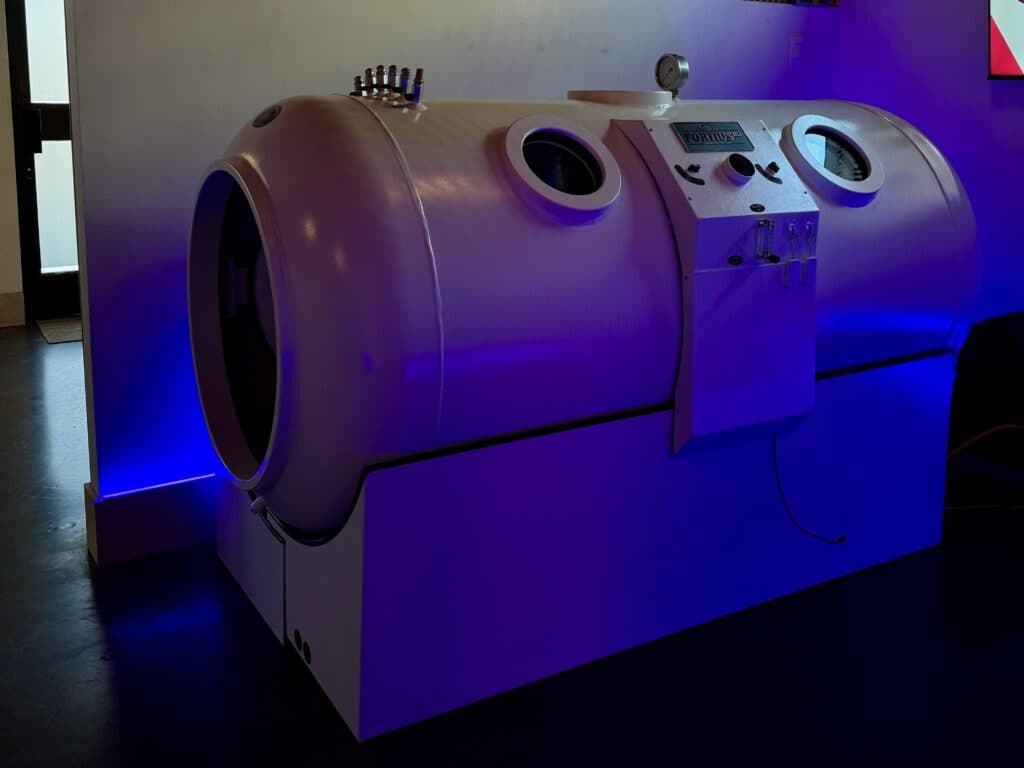
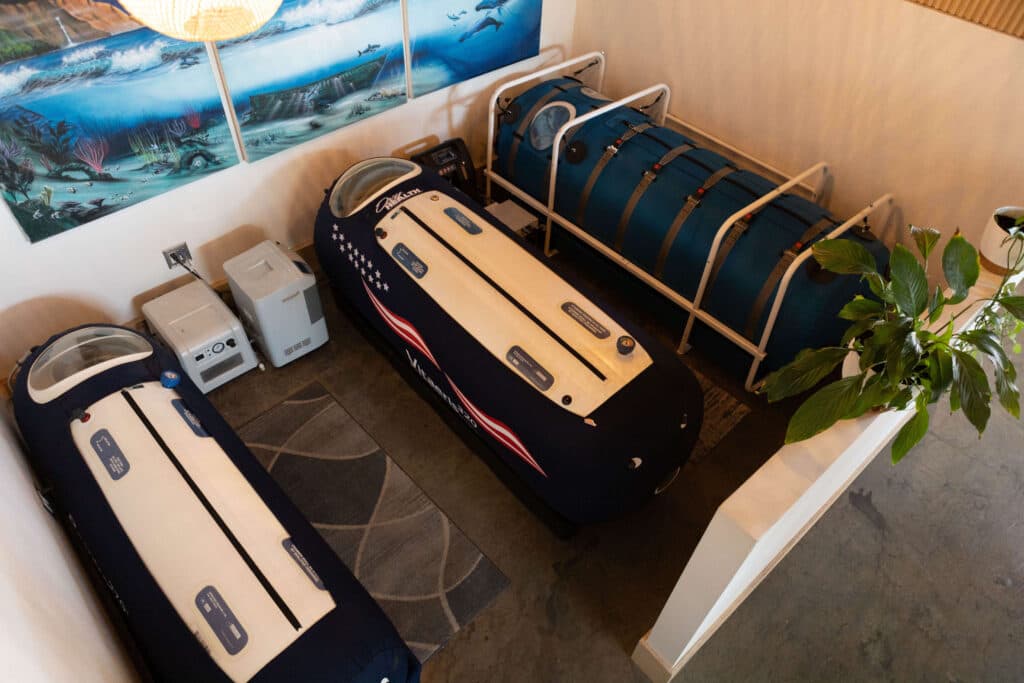
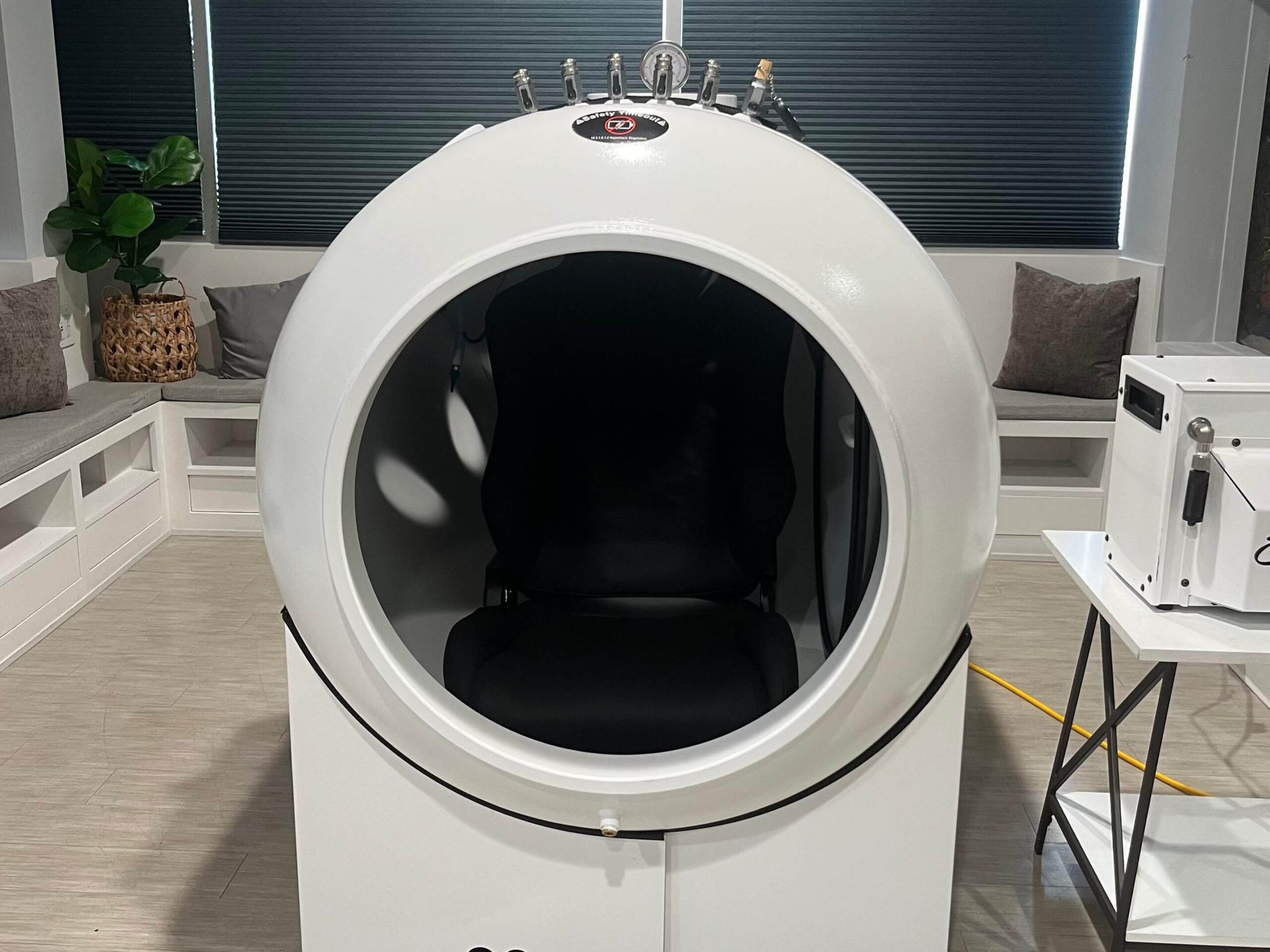
This hyperbaric oxygen therapy research was conducted entirely at 2 ATA, a pressure only hard-shell, hospital-grade hyperbaric chambers are built to reach and safely sustain. This high level of oxygen partial pressure supports biological aging studies by enhancing oxygenation and potentially reversing telomere shortening. Notably, these hyperbaric chambers facilitate greater oxygen therapy exposure compared to mild, low-pressure wellness chambers. Our Fortius chamber, reaching 2.0–2.2 ATA, mirrors the operating pressures used throughout this oxygenation research program, addressing aspects like mitochondrial function and inflammation.
Preparation and Post-Therapy Guidelines for Hyperbaric Oxygen Therapy
Before any hyperbaric oxygen therapy (HBOT) session, there are several preparatory steps to ensure safety and maximize benefits:
- Medical Evaluation: A thorough medical evaluation is crucial to determine the suitability of hyperbaric oxygen therapy for each individual, focusing on personal health history and potential contraindications.
- Clothing and Personal Items: Patients should wear comfortable, loose-fitting clothing. It is advisable to avoid wearing perfumes, deodorants, or any skincare products that may ignite under pressurized conditions. Jewelry and electronic devices are also not permitted inside the hyperbaric oxygen chamber.
- Nutrition and Hydration: It’s generally recommended to eat lightly and stay well-hydrated before a session to prevent discomfort and enhance comfort during the therapy.
Furthermore, post-hyperbaric oxygen therapy guidelines are designed to optimize the benefits of the treatment and ensure recovery:
- Rest and Recovery: Resting after a hyperbaric oxygen therapy session aids in accommodating the body’s increased oxygenation and aids cellular repair mechanisms.
- Observation for Side Effects: Monitoring for any side effects like ear discomfort or fatigue is important, as these can occur but are usually temporary.
- Follow-Up Visits: Regular hyperbaric oxygen therapy follow-ups are advised to track progress and make necessary adjustments to the therapy protocol.
Hyperbaric Oxygen Therapy for Anti-Aging: Why Choose ReEnergized
If cellular-level aging biomarkers are part of what you’re paying attention to in your own longevity strategy, this is one of the more rigorously documented areas of HBOT research to know about. Our team can walk you through what a hyperbaric oxygen therapy protocol modeled on this research actually looks like, and set realistic expectations for what it can and can’t tell you about your own aging process.
This article summarizes a single published human study and related research for educational purposes. It is not medical advice, and HBOT protocols should be discussed with your physician.