What is Chronic Lyme Disease?
Chronic Lyme disease, often referred to as post-treatment Lyme disease syndrome (PTLDS), emerges when symptoms continue even after the standard antibiotic course for Lyme disease treatment.
This condition manifests as persistent fatigue, chronic inflammation that causes muscle and joint pain, and cognitive difficulties, affecting patients’ quality of life significantly. The primary cause of Lyme disease is the bacterium Borrelia burgdorferi (or Borrelia mayonii, Borrelia afzelii, and Borrelia garinii in rare cases), which is transmitted to humans through tick bites, specifically from infected black-legged ticks, commonly known as deer ticks. The longer a tick remains attached, the greater the risk of transmission, which is part of why early recognition matters.
According to the United States Centers for Disease Control and Prevention (CDC), around 30,000 cases of Lyme disease are reported each year. Because most cases can go unreported, some models estimate cases of this tick-borne illness can be as high as 476,000 a year.
Initial Lyme disease is characterized by symptoms such as a distinctive bull’s-eye rash, known clinically as erythema migrans, along with fever and flu-like symptoms. However, if left untreated, the infection can lead to more severe complications, including neurological complications and nerve damage in some patients.
Chronic Lyme disease is believed to result from several factors, including lingering bacterial fragments, immune system dysfunction, and tissue damage caused during the initial infection. These persistent symptoms and persistent Lyme disease symptoms lead researchers to explore alternative therapies like hyperbaric oxygen therapy for Lyme disease to alleviate the enduring effects and improve patients’ well-being.
When Standard Treatment Isn't Enough
Chronic Lyme disease and persistent post-infectious symptoms, lingering fatigue, joint pain, brain fog, and sleep disruption are notoriously difficult to treat lyme disease with conventional approaches alone.
Part of the challenge is biological: the bacteria causing Lyme disease, Borrelia burgdorferi, can survive in low-oxygen tissue environments and form protective biofilms that make it harder for both antibiotics and the immune system to reach it.
That’s the exact mechanism higher-pressure hyperbaric oxygen therapy (HBOT) is being explored to address, by raising oxygen levels in tissue that the bacteria depend on staying hypoxic.
What the Research and Clinical Reports Show
While hyperbaric oxygen therapy will never replace first-line lyme disease treatment like antibiotics and other medical interventions, research over the last few decades has shown HBOT to be a promising tool in managing chronic symptoms for chronic lyme patients suffering from this post-treatment Lyme syndrome, with some patients report symptom improvement from HBOT after standard Lyme treatment.
Why Would Oxygen Matter For A Bacterial Infection?
Borrelia bacteria and co-infections like Babesia and Bartonella thrive in microaerophilic (low-oxygen) tissue environments, essentially a hostile environment for pure oxygen exposure.
Raising tissue oxygen concentration, or tension, through a hyperbaric chamber is thought to work against these organisms in several ways: directly competing with anaerobic-favoring bacteria, increasing oxygen free radical production that can inhibit bacterial metabolic function, and enhancing white blood cells’ own oxygen-dependent bacteria-killing mechanisms. HBOT enhances immune function by stimulating white blood cell production, and HBOT increases oxygen levels to fight infections at the tissue level, not just in the bloodstream.
What Does The Clinical Evidence Actually Show?
A published case report in J Chin Med Assoc described a patient with confirmed chronic Lyme disease treated with HBOT at 2.5 ATA, 90 minutes per session, for 30 total sessions. Symptom resolution followed a distinct pattern: nervous-system symptoms (cognitive complications and difficulties, sleep disruption) resolved within the first 10 sessions, additional neurological symptoms (numbness, twitching) resolved by session 20, and musculoskeletal symptoms (migrating joint and muscle pain) resolved by session 30. This kind of hbot treatments protocol, published in Chin Med Assoc literature, is one of the more detailed accounts of how patients treated with multiple sessions tend to progress.
Separately, earlier research from Texas A&M University reported that more than 70% of Lyme patients studied showed improvement in neurological symptoms or fatigue following HBOT, adding to a small but growing set of promising results for lyme disease patients.
What Pressure Range Is Actually Used Clinically?
Across clinical protocols for Lyme disease and related persistent infections, the therapeutic range clusters at 2.0–2.5 ATA, typically in 90-minute sessions, with published protocols recommending a minimum of 40 total sessions for meaningful, lasting symptom change. HBOT sessions typically last 60 to 90 minutes each, and patients undergoing HBOT require multiple treatment sessions to see the staged pattern of improvement described above.
This is a distinctly higher-pressure protocol than general wellness chambers are designed to reach.
Is Hbot A Replacement For Antimicrobial Treatment?
No, and this is important to be direct about. The research base here is still developing, and hyperbaric physicians who work with Lyme patients are clear that HBOT functions as an effective adjunctive treatment, not a substitute for identifying and treating the underlying infection directly.
Some infectious disease specialists point out that HBOT doesn’t clear the infection itself, and that most patients tend to do best when antimicrobial treatment and any co-infections are addressed as the primary strategy, with hyperbaric oxygen chamber therapy supporting recovery, detox capacity, and symptom relief alongside it as a complementary treatment.
Are There Other Benefits Beyond The Infection Itself?
Yes, much of the reported benefit of hyperbaric oxygen chamber therapy relates to the downstream effects of chronic Lyme, not just the bacteria. Hyperbaric medicine offers anti-inflammatory effects that can help address the neuroinflammation that drives cognitive dysfunction (primarily in the form of brain fog and mood symptoms), and HBOT may help reduce inflammation and improve cognitive function more broadly. Improved tissue oxygenation supports the growth factors that improve mitochondrial repair and wound repair regen, along with stem cells that play a role in tissue recovery, which chronic illness and long-term inflammation tend to disrupt. HBOT reduces inflammation and promotes tissue repair by improving oxygen delivery through the blood vessels that carry it to affected tissue, and HBOT can improve cognitive function in Lyme disease patients dealing with lingering brain fog.
As with any medical treatment, there are potential side effects of HBOT to be aware of, including ear pressure injuries and temporary vision changes, which is part of why this therapy should always be pursued under proper medical supervision as part of a broader treatment plan for medical conditions like chronic Lyme.
Quick Facts Sidebar
- Clinical pressure range: 2.0–2.5 ATA
- Typical session length: 90 minutes
- Typical course length: 30–40+ sessions
- Reported symptom pattern: neurological symptoms often improve first, musculoskeletal symptoms later in the course
- Role: adjunctive to antimicrobial/infectious-disease treatment, not a standalone cure
Why Chamber Type Matters Here
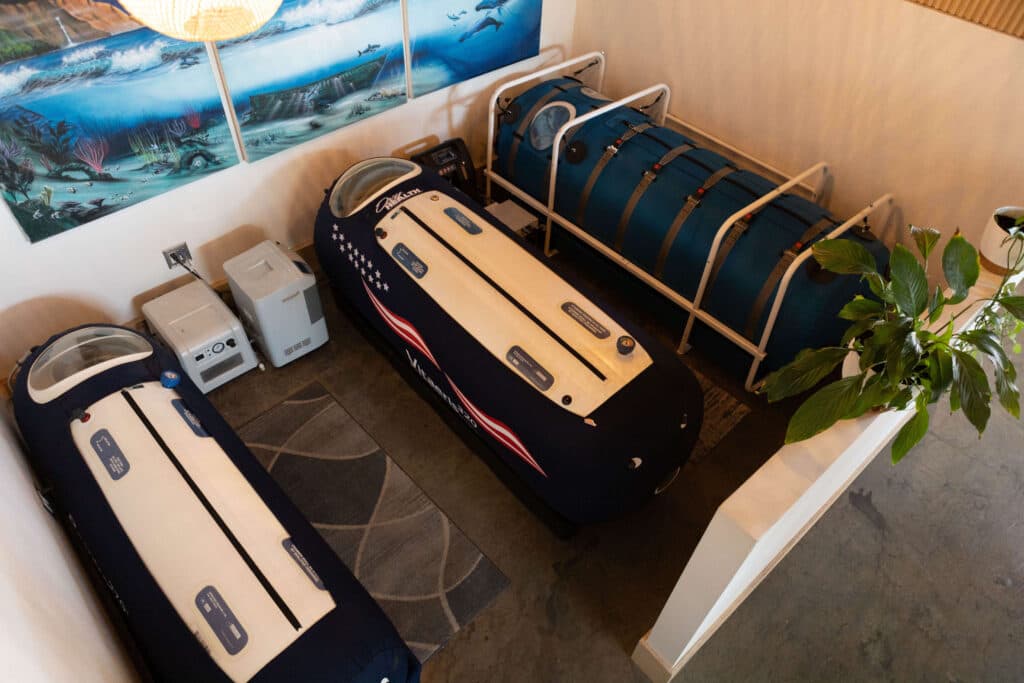
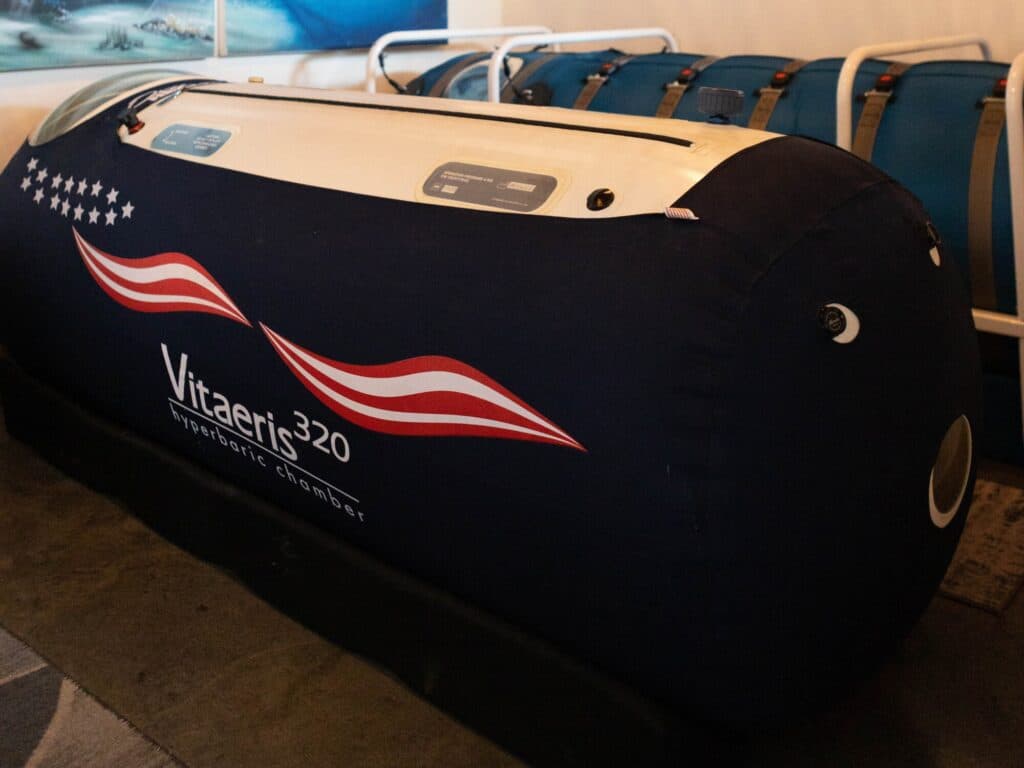
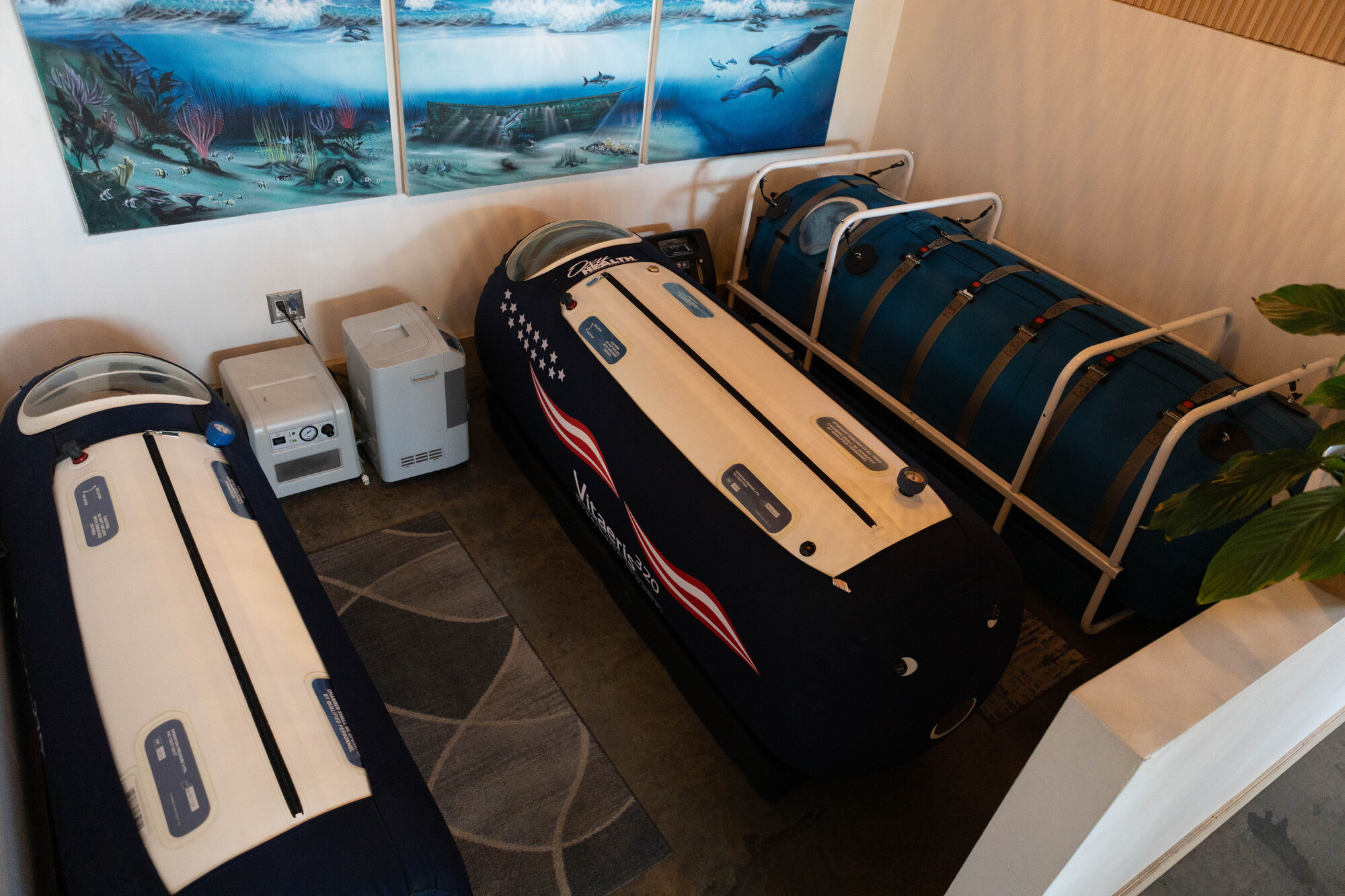
The mechanisms explored in clinical trials and research, competing with anaerobic bacteria, driving oxygen-free radical production, and boosting leukocyte function (immune system response), depend on reaching tissue oxygen tension levels that only higher-pressure chambers can achieve. Mild, low-pressure chambers running around 1.3 ATA simply aren’t operating in the range this research is built around.
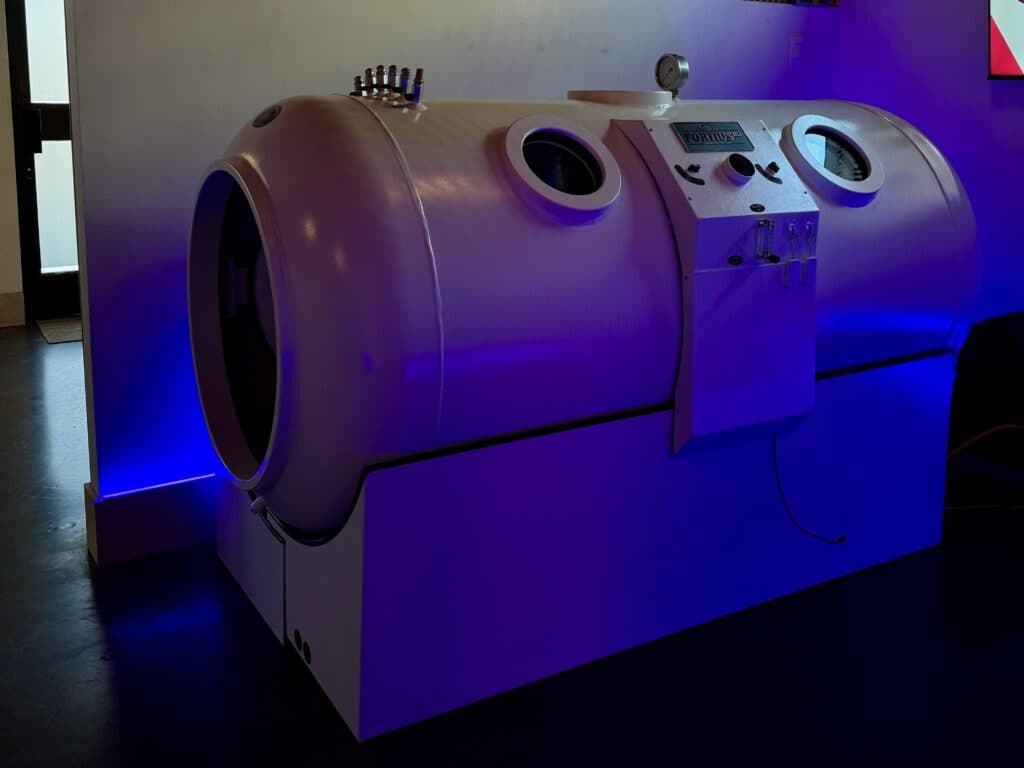
Our Fortius chamber, a hard-shell, hospital-grade unit reaching 2.0–2.2 ATA, sits inside the pressure range used across the clinical reports and protocols above.
Why Choose ReEnergized for HBOT Sessions for Lyme Disease
If you’re managing chronic Lyme or lingering post-infectious symptoms alongside a physician-directed treatment plan, HBOT may be worth discussing as a supportive addition, not a replacement for that care. Our team can walk you through realistic expectations, protocol length, and how HBOT fits alongside whatever else you’re already doing.
HBOT for Lyme disease and related conditions should be coordinated with a physician experienced in treating persistent infections. It is not a substitute for antimicrobial treatment. This article summarizes published research and case reports for educational purposes and is not medical advice.