A Vascular Problem, Not Just a Pain Problem
Migraines aren’t just “a bad headache”; they involve real vascular and neurological changes, overactive blood vessel dilation, inflammation, and altered blood flow patterns in the brain. This intricate vascular mechanism is exactly why Hyperbaric Oxygen Therapy (HBOT), which directly influences blood vessel tone and oxygen delivery, has been studied as a treatment for both acute migraine attacks and chronic migraines that are resistant to other medication options.
The primary symptom of a migraine headache is, of course, migraine pain, but other symptoms like nausea and sometimes vomiting significantly affect sufferers. By addressing the vascular dysfunction or other aspects that contribute to migraine symptoms, including improving oxygen levels and reducing inflammation, HBOT presents a promising alternative.
What the Research Shows About Hyperbaric Oxygen Therapy and Migraine Relief
Given the complex nature of migraines and the lack of universal treatments, Hyperbaric Oxygen Therapy (HBOT) has emerged as a potential option for those suffering from these debilitating episodes. The therapy aims to address the vascular and neurological changes associated with migraines, including disrupted blood flow and inflammation.
The Difference Between Migraines and Normal Headaches
Migraines differ significantly from typical headaches, not only in severity but also in their physiological and neurovascular components. They often involve symptoms like nausea, vomiting, throbbing pain, visual disturbances, aura, and intense pain that is coupled with sensitivity to light and sound, and they result from the dilation and constriction of blood vessels in the brain.
However, there is one type of headache that will be hard for many to distinguish from migraines, and those are cluster headaches. Cluster headaches are extremely painful headaches that occur in groups or “clusters,” although they are relatively rare. What differentiates cluster headaches from migraines, however, is their lack of aura and sensitivity to light and sound. Clusters also can disappear for months or even years, while migraines are much more regular for those who suffer from them.
Nonetheless, the similarities between the two are the reasons why they are sometimes referred to as “cluster migraines” as well.
Does HBOT Work for an Acute Migraine Attack?
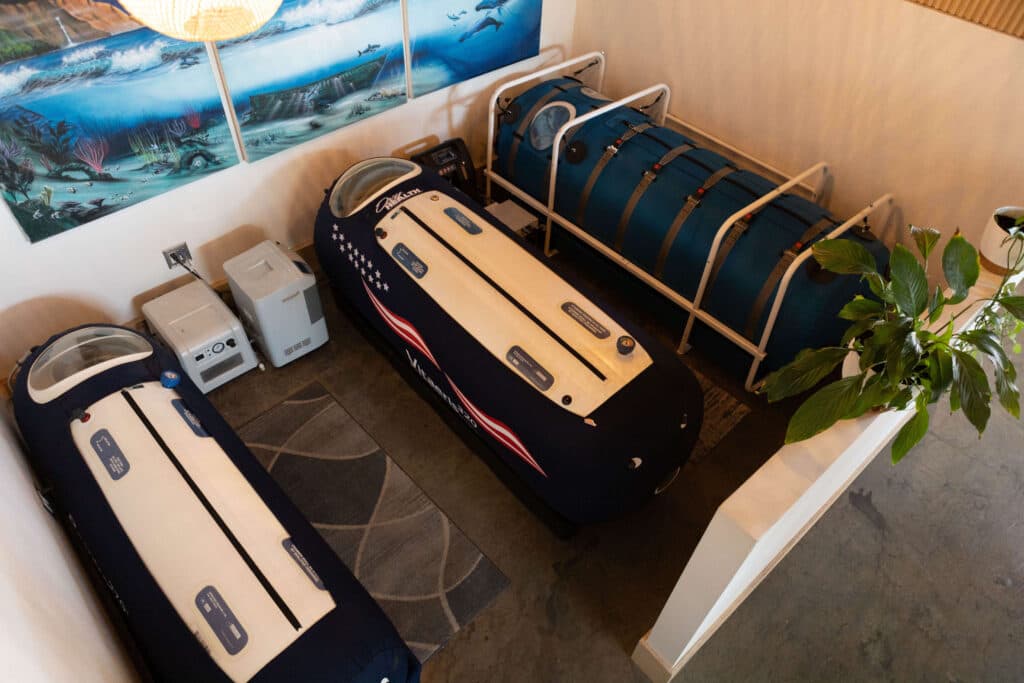
Hyperbaric oxygen therapy (HBOT) involves placing a patient inside a pressurized chamber (either a multi-person or single-person unit) where the air is 100% pure oxygen. The pressure inside is also typically higher than the equivalent at sea level, which is 1 ATA (Atmospheres Absolute). Most FDA-approved hyperbaric chambers are used to simulate 1-2.0 ATA.
One of the most cited studies in this area is genuinely striking for highlighting the effectiveness of HBOT in treating acute migraine attacks. Participants were divided into two groups: one received 100% oxygen at normal atmospheric pressure, while the other received pressurized oxygen at 2 ATA in a hyperbaric chamber. The results were compelling: 9 out of 10 patients in the hyperbaric group experienced significant relief from symptoms, compared to just 1 out of 10 in the normal-pressure group.
This data suggests that not only does oxygen therapy play a role, but the pressurized environment of HBOT enhances oxygen delivery, possibly improving blood flow and reducing inflammation in the brain.
What about chronic, treatment-resistant migraine?
A published case report described a patient with pharmacologically-resistant chronic migraine (meaning standard medications weren’t working) who underwent 20 sessions of HBOT. By the end of treatment, the patient reported symptom improvement and no longer required oral medication. A separate case report used a slightly lower pressure (1.5 ATA) over 40 sessions with a similarly positive outcome, suggesting some flexibility in protocol design depending on the patient.
Both case reports develop a hopeful picture: HBOT treatments may support vascular health by stabilizing oxygen levels, which could help to alleviate persistent headaches and even chronic migraines. The pressurized chamber provides an oxygen-rich environment that facilitates repair and recovery, offering a promising avenue for those with treatment-resistant migraine headaches. Additionally, researchers suggest that increased oxygenation may contribute to improved cognitive clarity and energy production due to enhanced neural connections and neuroplasticity.
What’s the proposed mechanism?
Migraines are associated with abnormal dilation of blood vessels in the brain and elevated levels of endothelin and other vasoactive compounds during an attack. Increased oxygen tension from hyperbaric oxygen therapy (HBOT) is thought to act on these same vascular pathways, promoting cerebral vasoconstriction of the overdilated vessels and calming the local metabolic and inflammatory changes that accompany an episode. The oxygen-rich environment in the hyperbaric chamber enhances the recovery process by stabilizing oxygen levels in the brain, potentially reducing symptoms such as nausea and vomiting that are often associated with migraine attacks.
Is this considered a mainstream, first-line treatment?
Not yet, and it’s worth being straightforward about that. The Undersea and Hyperbaric Medical Society (UHMS) recognizes clinical uses of HBOT for conditions including carbon monoxide poisoning and decompression sickness, among others, so clinical hyperbaric oxygen therapy for migraine is better viewed as an area of ongoing research rather than an established first-line application. A Cochrane systematic review of normobaric oxygen (oxygen therapy at normal levels of pressure) and hyperbaric oxygen for migraine and cluster headache found the evidence base is still limited, with mixed results across the available trials, particularly for prophylactic (preventive) use. Some smaller studies looking specifically at cluster headache found no measurable change in key vascular markers. The strongest, most consistent results tend to come from acute-attack treatment at higher pressures (2 ATA), rather than long-term prevention protocols. While the mechanism, oxygen inhalation through HBOT, targets headache symptoms and chronic migraines, more robust studies are needed to establish this in mainstream treatment protocols.
Who might this be worth exploring for?
Based on the available research, HBOT appears most promising for people who haven’t found relief from standard migraine treatments or who experience frequent, disabling attacks despite medication. It’s reasonable to view HBOT as a complementary option worth discussing with a neurologist, not a guaranteed fix, but a legitimately researched option when conventional treatment has plateaued.
Quick Facts Sidebar
- Acute-attack study result: 9 of 10 patients responded to HBOT at 2 ATA, vs. 1 of 10 at normal pressure
- Chronic migraine case report: 20 sessions, medication no longer needed afterward
- Effective pressure range: 1.5–2.0 ATA across the published literature
- Evidence strength: promising for acute relief; still developing for long-term prevention
Why Chamber Type Matters
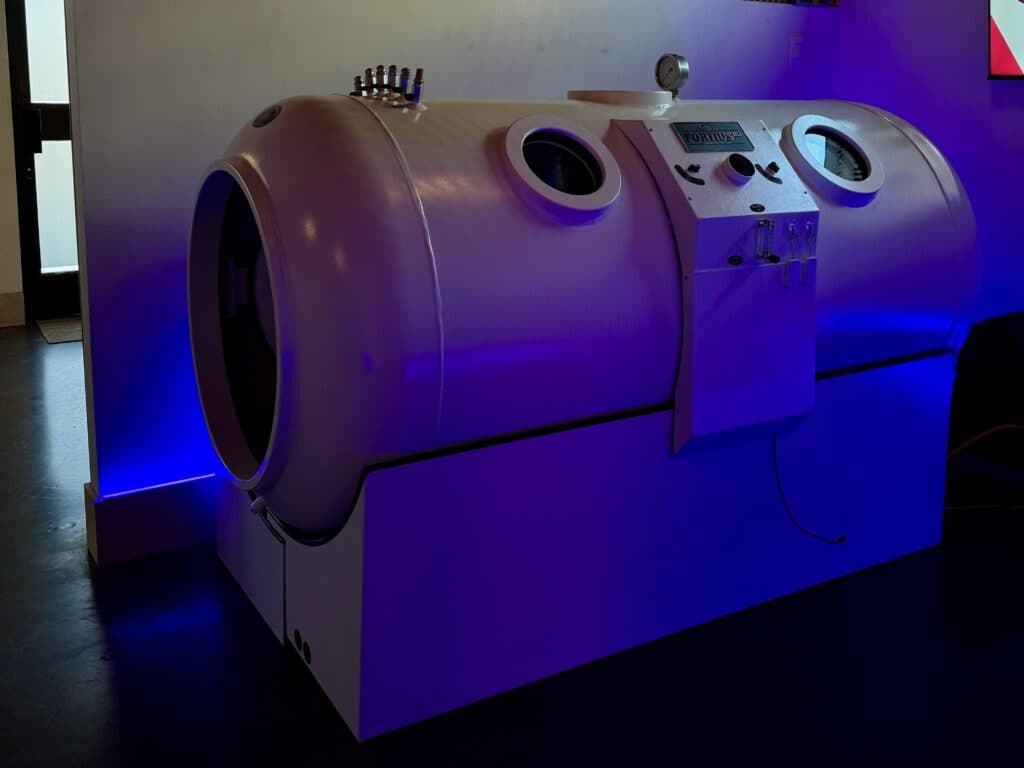
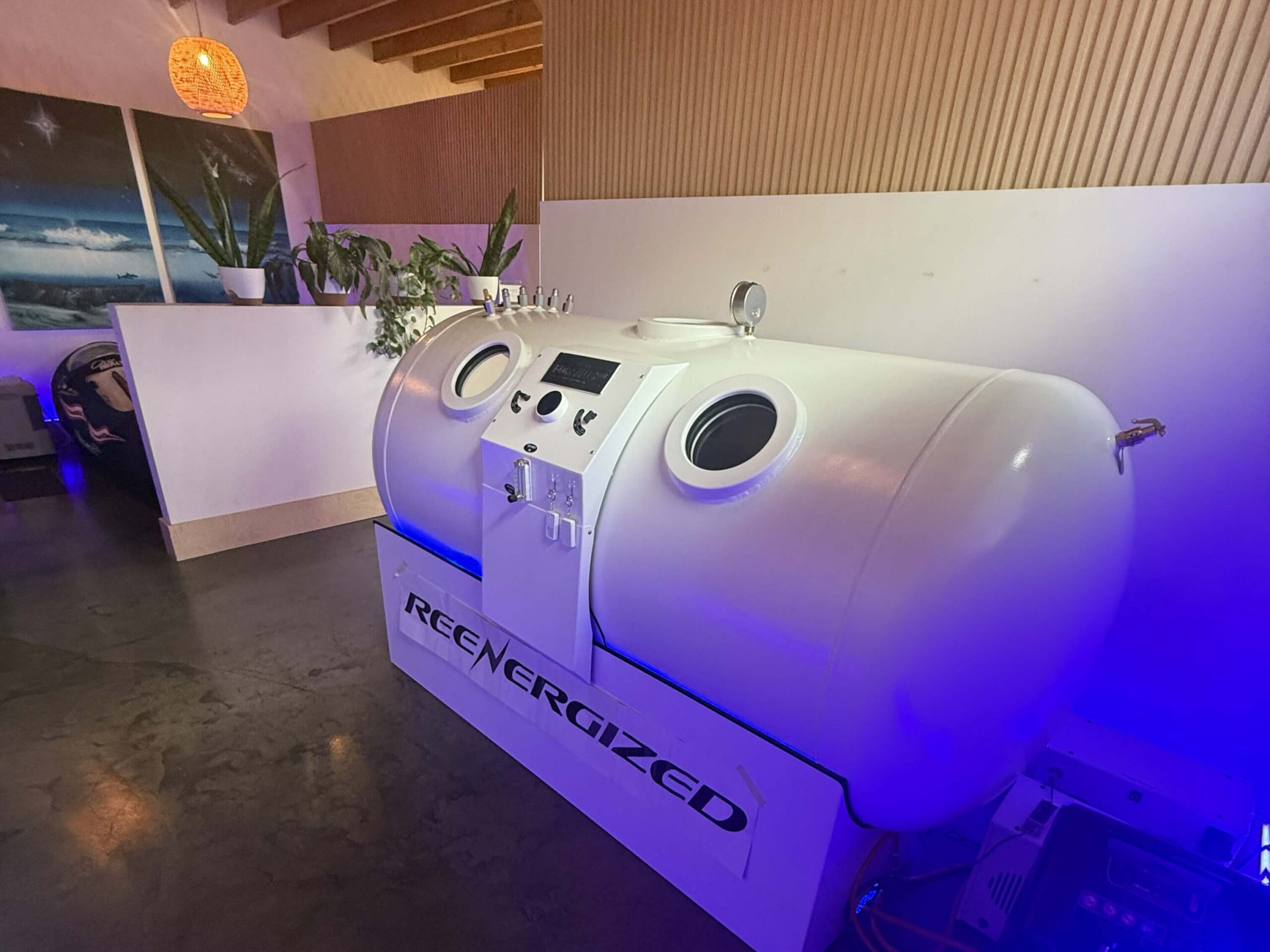
The studies demonstrating the clearest and most reproducible relief for migraine headaches utilized hyperbaric oxygen therapy (HBOT) at 2 ATA, which means in a pressurized chamber, as opposed to the milder 1.3 ATA range often found in general wellness chambers. Our Fortius chamber, a hard-shell, hospital-grade unit capable of reaching 2.0–2.2 ATA, is designed to operate within the same pressure range that was used in research showing the strongest acute relief for migraine symptoms, including headache, nausea, and vomiting. The pressurized oxygen environment aims to enhance oxygen levels in the brain, thereby improving blood flow and reducing inflammation, which are key factors in alleviating migraine pain.
Hyperbaric Oxygen Therapy for Migraines: Why Choose ReEnergized
If migraines have been resistant to your current treatment plan, it may be worth a conversation about whether HBOT fits alongside what your neurologist has you on. We’ll walk you through what the research supports and help you set realistic expectations for a protocol.
HBOT for migraine should be discussed with your neurologist or treating physician, particularly if you have a diagnosed headache disorder. This article summarizes published research for educational purposes and is not medical advice.