The Hidden Bottleneck After Surgery
Surgery repairs the structure, but healing still depends on something more basic: whether enough oxygen can actually reach the repaired tissue. Swelling, disrupted blood vessels, and the resulting inflammation around a surgical site all reduce local oxygen delivery. Post-surgical tissues commonly experience localized hypoxia due to damaged blood vessels, and this hypoxia can impair wound healing and increase the risk of infection, including soft tissue infection around the surgical site. Hyperbaric oxygen therapy for surgery recovery, often administered in a pressurized hyperbaric oxygen chamber, directly targets this bottleneck by delivering more oxygen than the body’s natural healing processes can access on their own.
By enhancing oxygen delivery, HBO therapy facilitates the recovery process, promoting wound healing, reducing post-surgical infections, and overall results in an accelerated recovery. HBOT attracts oxygen to damaged tissues that standard blood circulation may not reach, which is part of why it’s considered an adjunctive treatment rather than a standalone one.
Research has shown hyperbaric oxygen therapy’s ability to improve blood supply and oxygenation supports collagen synthesis and fibroblast proliferation, essential for efficient tissue repair. HBOT stimulates angiogenesis by increasing vascular endothelial growth factor, and HBOT enhances fibroblast activity, promoting collagen production for healing through the hydroxylation of amino acids. A growing body of surgical literature supports these findings.
What the Research Shows
Wound healing has been among the most well-known and effective applications for hyperbaric oxygen therapy, alongside longer-established uses like decompression sickness and carbon monoxide poisoning that first established HBOT as a safe treatment in clinical settings. Recent research has focused on whether or not this method, placing someone inside a hyperbaric oxygen chamber with higher oxygen concentration and pressure than normal air pressure, provides enhanced recovery for tissues in post-operative healing, such as skin grafts and chronic wounds.
The results of multiple case studies, systematic reviews, and clinical trials have been promising. Hyperbaric oxygen therapy not only improves oxygenation but also supports the vascular system and immune function, reducing the risk of post-surgical infections. HBOT reduces inflammation by suppressing pro-inflammatory cytokines, and HBOT increases oxygen concentration, enhancing white blood cell function to help fight bacteria such as staphylococcus aureus in and around injured tissues.
How does higher-pressure HBOT actually help a surgical wound?
At pressures of 2.0 ATA and above, pure oxygen dissolves directly into blood plasma in much higher quantities, not just bound to red blood cells. This higher plasma oxygen concentration means the O2 can reach tissue that will normally be starved due to swelling and disrupted circulation. Research on the mechanisms involved shows that HBOT supports angiogenesis (new blood vessel formation), fibroblast proliferation, collagen synthesis through hydroxylation of amino acids, and even enhances the activity of white blood cells, which are essential for efficient surgical care and recovery plans. These processes are crucial for reducing scarring and ensuring an accelerated recovery in the first weeks after an operation. HBOT reduces inflammation and swelling post-surgery, and can accelerate healing in connective tissues and other structures that depend heavily on blood sugar and oxygen for repair.
Is HBOT used for real post-surgical complications, not just theory?
Yes, hyperbaric oxygen therapy has shown promising clinical evidence in aiding surgery recovery, including complicated cases such as tissue necrosis, tissue death, and wound dehiscence. Compromised skin flaps and grafts are common situations where HBOT is considered beneficial, and HBOT can enhance the survival of compromised skin grafts and flaps in reconstructive settings. A single-institution 10-year review of patients with complicated post-mastectomy wounds, including tissue necrosis and wound dehiscence, treated all 20 patients at 2.0 ATA in a hyperbaric chamber for 90-minute sessions with medical-grade oxygen, with a median of roughly 30 sessions. Separately,a case series on wound dehiscencefollowing intraoral bone grafting showed complete healing with HBOT at 2.5 ATA, resolving wounds that had failed to close on their own within about 10 days. HBOT is also effective for treating surgical site infections after cardiac surgery, and HBOT improves outcomes in reconstructive surgeries with compromised perfusion more broadly.
What about routine surgical recovery, not just complicated cases?
Beyond complicated cases, HBOT is also being evaluated for routine surgical recovery, such as after cosmetic surgery. HBOT can enhance healing in facelift surgeries, and facelift patients along with other orthopedic procedures patients are increasingly part of the population researchers are studying for this application. A clinical trial protocol for eyelid surgery specifically studies the effects of HBOT at 2.0 ATA compared to a lower-pressure sham condition at 1.2 ATA within a control group. This highlights the importance of oxygenation levels and pressure differences in accelerating recovery, as they may reduce inflammation, swelling, and bruising more effectively than lower pressures. In other words, the pressure difference itself, not just “being in a chamber,” is the variable researchers consider clinically meaningful when it comes to hyperbaric oxygen therapy. The effectiveness of HBOT in surgery recovery depends on the specific surgical type and patient condition, which is why protocols vary across the clinical studies reviewed.
Does pressure affect scarring, too?
Scarring after surgery is a significant concern for patients. A study comparing silicone sheeting, a standard scar-prevention method, against HBOT at 2.5 ATA found that hyperbaric oxygen therapy significantly enhanced scar healing. This suggests that the improved oxygen delivery and increased blood supply in pressurized chambers support collagen synthesis and overall tissue quality during recovery. Patients receiving HBOT had shorter hospital stays after surgery in some of the studies reviewed, and HBOT can reduce wound healing duration by 63.9% in select surgical wound applications, though results vary by wound type and severity.
What’s the typical protocol surgeons and hyperbaric physicians use?
The surgical literature indicates a standard clinical application of HBOT at pressures ranging from 2.0 to 2.5 ATA, with 90-minute sessions delivered in either a monoplace chamber or a multiplace chamber depending on the facility. These are typically administered once or twice daily in the initial post-operative phase before stepping down to daily treatments, usually totaling 20 to 30 sessions depending on wound severity. This protocol facilitates post-operative healing and complements recovery plans by enhancing blood circulation, supporting antibiotic efficacy, and reducing the risk of post-surgical infections such as deep sternal wound infection and mediastinitis.
By incorporating hyperbaric oxygen therapy into surgical care, patients may experience faster and more effective healing, making it a valuable addition to recovery protocols. The potential for reducing infection risks and improving scar quality in surgical wounds further cements its role in modern surgical recovery strategies, alongside its more established use for burn injuries, radiation injuries following radiation therapy, and other infectious diseases affecting damaged tissue.
Quick Facts Sidebar of HBOT for Surgery Recovery
- Clinical pressure range for surgical healing: 2.0–2.5 ATA
- Typical session length: 90 minutes
- Mechanisms: angiogenesis, fibroblast proliferation, collagen synthesis, reduced tissue hypoxia
- Documented in: post-mastectomy wound complications, oral/maxillofacial bone graft dehiscence, post-surgical scar reduction
- Complication types studied: wound dehiscence, flap/graft necrosis, radiation-related delayed healing
Why HBOT Chamber Type Matters Here
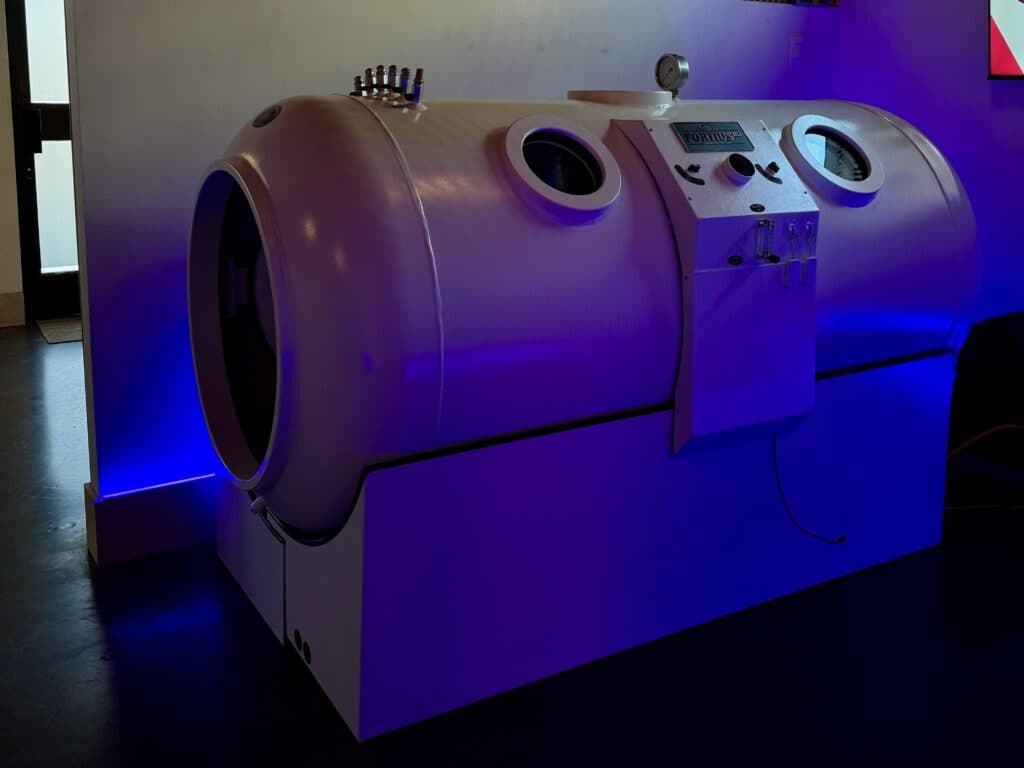
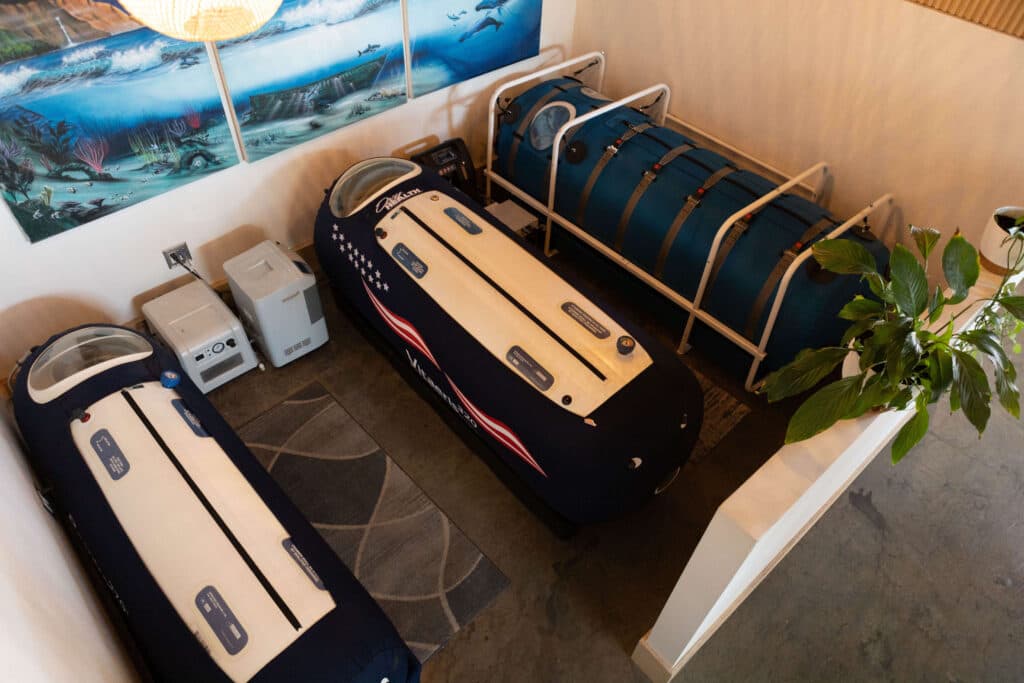
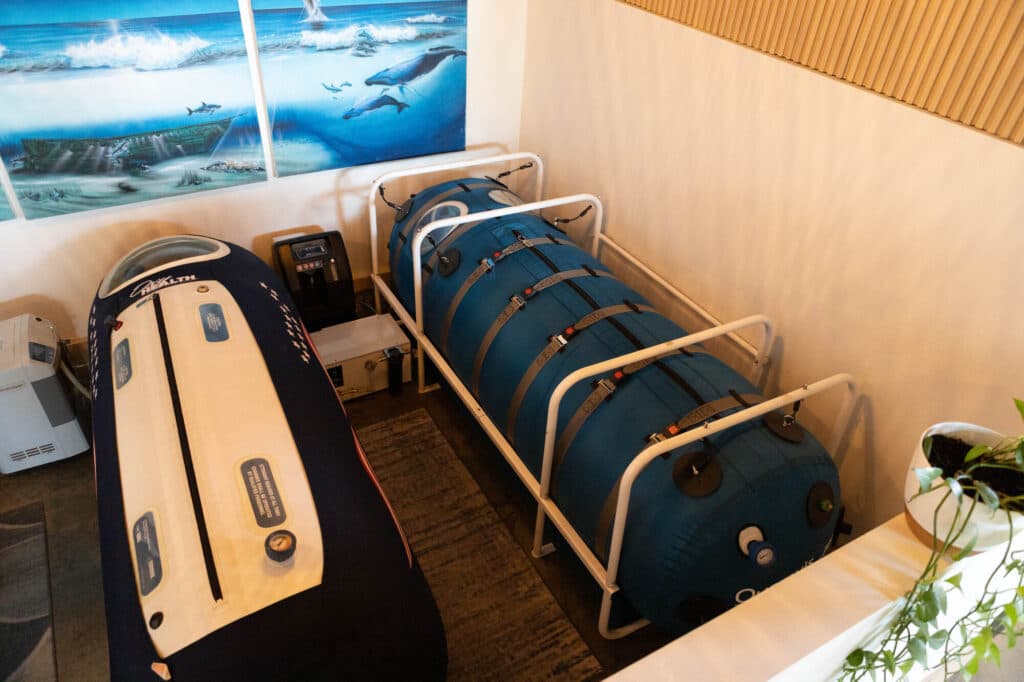
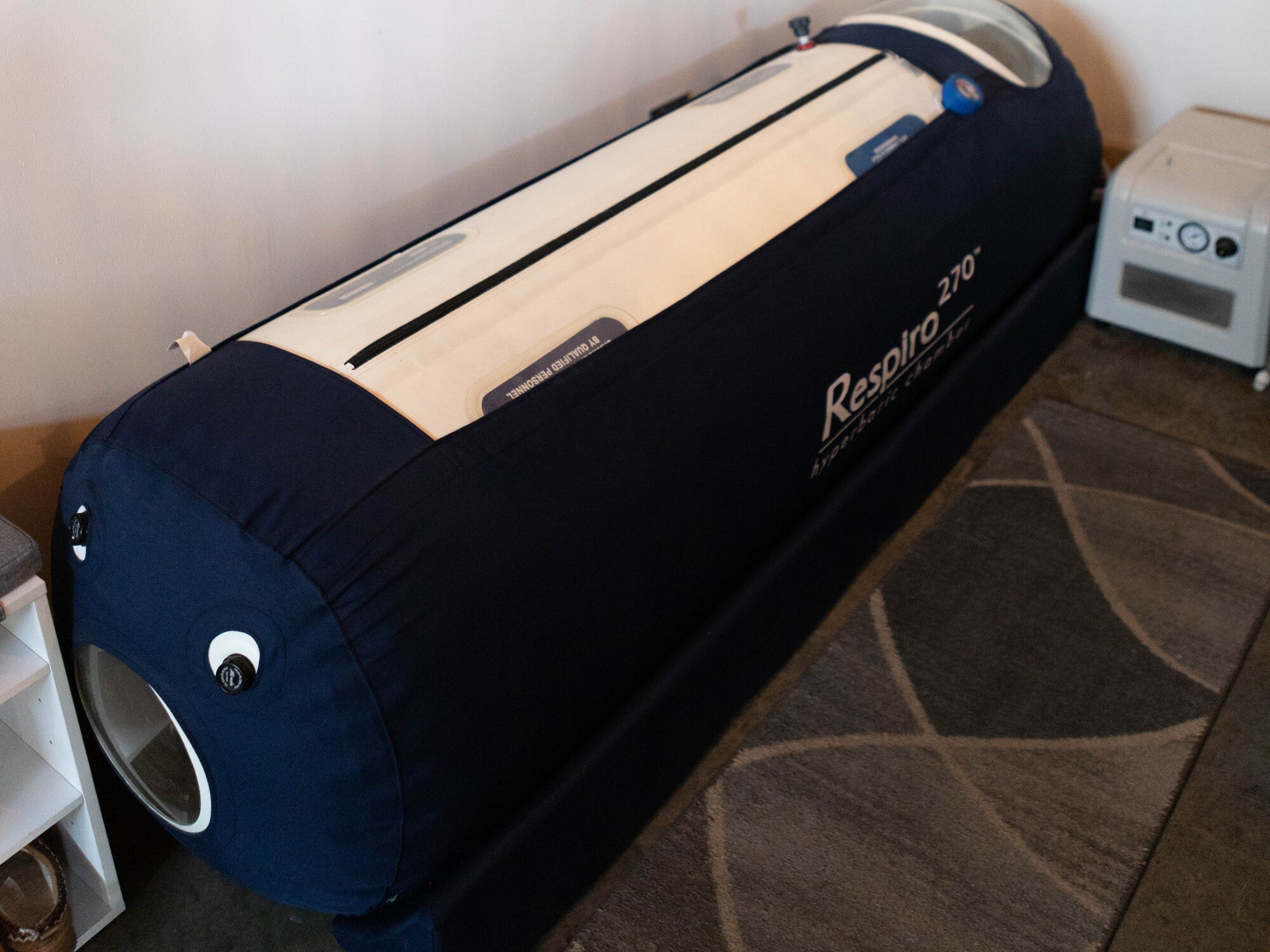
This entire body of research depends on reaching and holding pressures in the 2.0–2.5 ATA range, well beyond what low-pressure soft-shell hyperbaric oxygen therapy chambers are built to do. Our Fortius chamber is a hard-shell, hyperbaric oxygen chamber capable of reaching 2.0–2.2 ATA, putting recovering surgical patients in the same pressure range used across this clinical application, with the safety systems (redundant regulators, automatic pressure cutoffs) that higher-pressure operation requires. The hyperbaric chamber provides a controlled pressurized environment that enhances oxygen supply and collagen formation, supporting surgical wound healing processes and inflammation reduction. HBOT reduces swelling and supports the connective tissues and vascular structures that carry oxygen to the surgical site, which is central to why chamber type and achievable pressure matter as much as simply having access to a chamber at all.
Why Choose ReEnergized for Hyperbaric Oxygen Therapy In Your Surgery Recovery
Recovering from any type of surgery is already demanding enough without wondering whether your recovery tools are actually operating in a clinically relevant range. At ReEnergized, we built our hyperbaric oxygen therapy protocols around the pressure levels the research actually uses, not marketing numbers. If you’re heading into surgery, or recovering from one that isn’t healing the way you’d expect, let’s talk about whether HBOT belongs in your treatment plan.
HBOT following surgery should be coordinated with your surgeon, particularly around timing relative to your procedure. This article summarizes published research for educational purposes and is not medical advice.