"I did hyperbarics" tells you almost nothing. A 60-minute session at 1.3 ATA with an oxygen concentrator and a 90-minute session at 2.0 ATA on 100% oxygen are very different exposures. At the International Hyperbarics Association's 2026 conference, Dr. Jason Sonners, a longtime hyperbaric clinician and educator, argued that HBOT should be thought of as a family of exposures, each with its own dose. Here is his framework and how it shapes the way we build protocols.
What the Research Shows
1. What are the "dose levers" in HBOT?
Dr. Sonners described five: pressure (roughly 1.1 to 3.0 ATA), oxygen fraction (21% to 100%), duration (about 30 to 120 minutes), frequency (how often sessions happen), and protocol length (from 1 to 60 or more sessions). The sixth factor is the patient: inflammation, sleep, age, and mitochondrial reserve all change how a given exposure lands. As he put it, the dose given in the chamber is not the same as the biological dose the body receives.
2. What happens during a single session?
Every session has two phases. In the loading phase, pressure drives oxygen into plasma (Henry's law), saturating red cells and then the plasma itself. This phase supports oxygen delivery, energy production, immune cell killing, and edema control. In the unloading phase, as pressure returns to normal, oxygen levels fall relative to their peak. Cells read that drop as a relative lack of oxygen, which activates repair signals such as growth factors, stem cell mobilization, and new blood vessel growth. These two phases drive two distinct pathways: oxygen delivery and regenerative signaling (Thom, Plastic and Reconstructive Surgery, 2011).
3. Is more pressure always better?
No. HBOT works as a controlled hormetic stress: too little produces a weak signal, too much overwhelms the body's recovery capacity. Longer sessions and higher pressures deliver more oxygen but also more oxidative load. The goal Dr. Sonners described is the minimum effective dose: the smallest exposure that produces the response you want while still letting the body recover and adapt.
4. So when does higher pressure make sense?
When the goal depends on oxygen delivery or a strong signal: acute or high-demand situations, tissue with poor blood flow, and protocols where the research itself was done at 2.0 ATA or above. Higher-intensity, shorter courses often suit acute oxygen needs. Chronic conditions where the goal is cumulative cellular adaptation often start lower and run longer.
5. How does a dose change over a full course?
According to Dr. Sonners, the dominant biology shifts. Sessions 1 to 5 mostly affect oxygen availability, blood flow, and the first redox signals. Sessions 6 to 20 bring antioxidant, anti-inflammatory, and mitochondrial adaptations. Beyond about 20 sessions, cumulative repair dominates: new blood vessels, cell trafficking, and tissue remodeling. This is why consistent protocol length matters more than any single session.
6. What if a client feels worse?
Prolonged fatigue, new sleep disruption, recurring headaches, or a flare of symptoms are signs that the dose is too high for that person at that time. Dr. Sonners described de-escalation as dose correction, not failure: reduce frequency (for example from five to three or four days a week), add recovery days, use air breaks, or step down in pressure from 2.0 to 1.5 to 1.3 ATA while keeping the signal going. He also described using 1.3–1.5 ATA for 10 to 15 sessions as a consolidation phase after a high-intensity block.
7. Can HBOT be used before a planned stress, like surgery?
This is called preconditioning. Animal and early clinical research suggests a series of sessions before a predictable insult, such as surgery or ischemia, can induce protective proteins and antioxidant defenses (Hu et al., Medical Gas Research, 2016; Wu et al., Metabolic Brain Disease, 2023). Dr. Sonners described a three-phase approach: establish tolerance, build resilience, then face the stressor. Most of this evidence is preclinical, and timing should be planned with the surgical team.
Quick Facts Sidebar
- Dose levers: pressure, oxygen percentage, duration, frequency, protocol length, plus the patient's own capacity
- Two phases per session: loading (oxygen delivery) and unloading (regenerative signaling)
- Guiding principle: minimum effective dose, adjusted as the patient responds
- Step-down option: 2.0 to 1.5 to 1.3 ATA to keep signaling with a wider safety margin
- Evidence level: mechanisms well described in reviews; dosing framework is expert clinical guidance rather than head-to-head trials
Why Chamber Type Matters Here
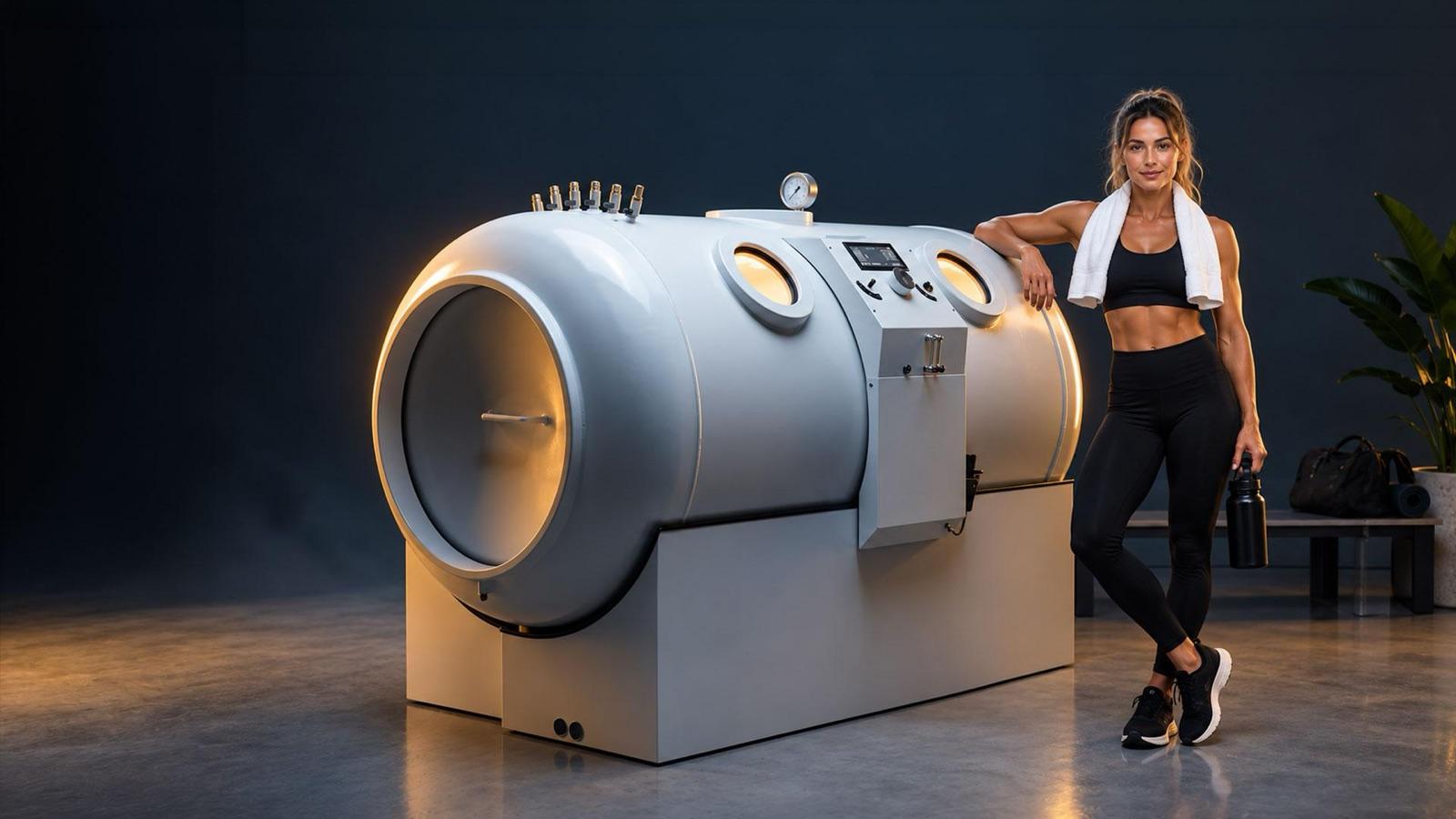
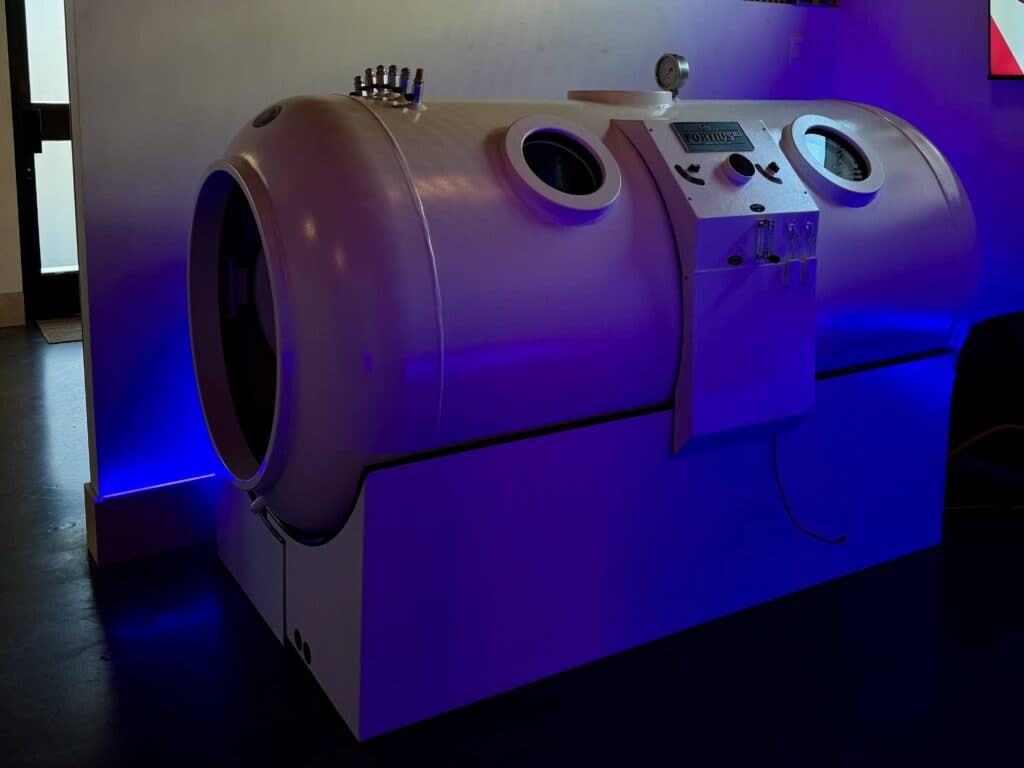
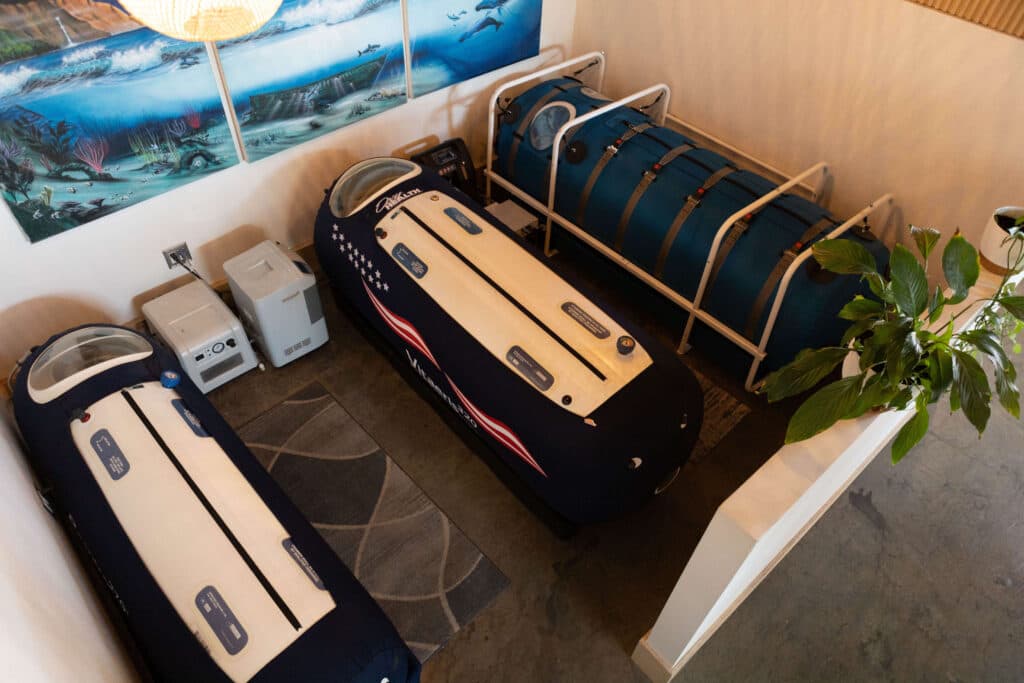
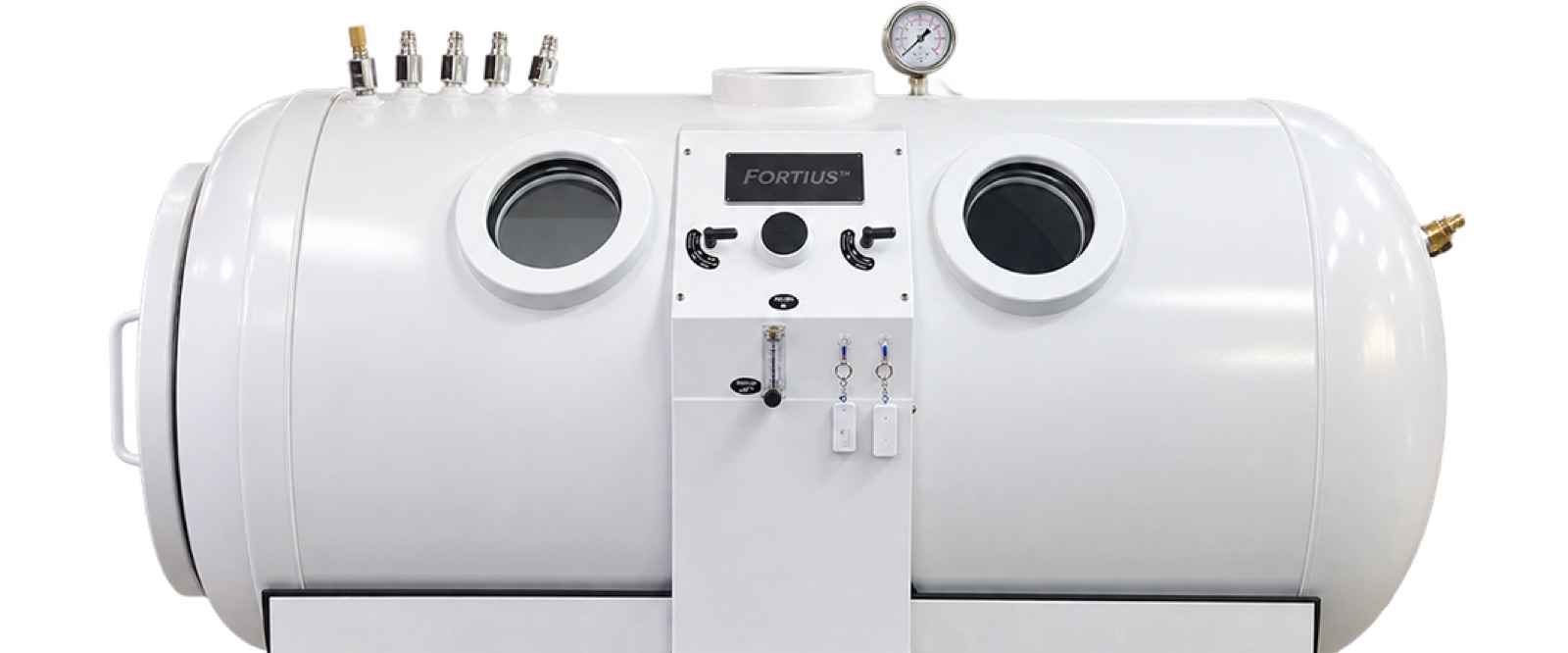
Dosing well requires being able to change the dose. That is the reason we offer both. Our Fortius hard-shell chamber delivers 2.0–2.2 ATA for protocols that call for high oxygen delivery or a strong regenerative signal. Our Respiro, Viateris, and Quamvis chambers run at 1.3–1.5 ATA with supplemental oxygen for gentler starts, consolidation phases, step-downs, and clients who need a wider safety margin. Having both lets us move a client up or down instead of forcing every goal into one pressure.
Why Choose ReEnergized
We do not sell one protocol to everyone. We start with your goal, check in on how you respond, and adjust pressure, frequency, and course length the way Dr. Sonners described. If you have tried HBOT elsewhere and it did not work, or felt like too much, talk with us about whether the dose was the issue.
References
- Sonners J. "Dosing for Hyperbaric Oxygen Therapy." Presentation, IHA 17th Annual Conference, Pensacola Beach, FL, October 2026.
- Thom SR. Hyperbaric oxygen: its mechanisms and efficacy. Plastic and Reconstructive Surgery, 2011;127 Suppl 1:131S–141S.
- Hu Q, et al. Hyperbaric oxygen preconditioning: a reliable option for neuroprotection. Medical Gas Research, 2016;6(1):20–32.
- Wu X, et al. An overview of hyperbaric oxygen preconditioning against ischemic stroke. Metabolic Brain Disease, 2023;38:855–872.
- Hadanny A, Efrati S. The hyperoxic-hypoxic paradox. Biomolecules, 2020.
- Mago V. Safety of hyperbaric medicine in clinical scenarios. Annals of African Medicine, 2024;23(1):1–4.
Your HBOT protocol should be discussed with your physician, particularly if you have medical conditions or take medications. This article summarizes published research and conference presentations for educational purposes and is not medical advice.