One of the first questions new clients ask is, "How many sessions do I need?" The most common answer in the research literature is 40. At the International Hyperbarics Association's 2026 conference, Dr. Zayd Ratansi, a naturopathic physician who has run a hyperbaric practice since 1999, presented the studies behind that number, organized by specialty, and explained why consistent repetition matters more than any single session.
What the Research Shows
1. Why does repetition matter so much?
Many of HBOT's lasting effects build over time. Thom and colleagues found circulating CD34+ stem and progenitor cells roughly doubled after one session and rose about eightfold over 20 sessions (American Journal of Physiology, 2006). Mobilization was higher at 2.5 ATA than at 2.0 ATA across a 20-session course, a pressure dose-response (Heyboer et al., Stem Cell Research, 2014). New blood vessels take several weeks to mature, which is part of why brain and wound protocols commonly run 6 to 8 weeks of daily sessions.
2. Where has the 40-session course been tested in the brain?
Several key brain trials used exactly 40 sessions. In chronic stroke patients 6 to 36 months after their stroke, 40 sessions at 2.0 ATA improved brain blood flow and function in a randomized trial (Efrati et al., PLoS ONE, 2013). In people with post-concussion syndrome years after a mild brain injury, 40 sessions at 1.5 ATA improved memory and other cognitive measures (Boussi-Gross et al., PLoS ONE, 2013). Harch and colleagues reported improvements after 40 sessions at 1.5 ATA in persistent post-concussion symptoms (Medical Gas Research, 2020).
3. What about performance, the heart, and long COVID?
In a double-blind, placebo-controlled trial, 40 sessions at 2.0 ATA improved VO2max and muscle mitochondrial function in master athletes (Hadanny et al., Sports Medicine – Open, 2022). In a randomized, sham-controlled trial of people with post-COVID cognitive symptoms, 40 sessions at 2.0 ATA improved cognition, symptoms, and brain perfusion (Zilberman-Itskovich et al., Scientific Reports, 2022), and a related trial reported improved heart muscle strain measurements (Leitman et al., Scientific Reports, 2023).
4. Is 40 sessions used for wounds and radiation injury too?
Yes, and this is where the evidence is most established. In the HODFU double-blind trial, up to 40 sessions at 2.5 ATA roughly doubled one-year complete healing of chronic diabetic foot ulcers compared with placebo (Löndahl et al., Diabetes Care, 2010). In the RICH-ART randomized trial for radiation cystitis, courses of 30 to 40 sessions improved urinary symptoms (Oscarsson et al., Lancet Oncology, 2019), with benefits that held up at long-term follow-up (eClinicalMedicine, 2025). In refractory perianal Crohn's fistulas, the HOT-TOPIC study used 40 sessions at 2.4–2.5 ATA (Lansdorp et al., Alimentary Pharmacology & Therapeutics, 2021).
5. Does the pressure matter as much as the session count?
It depends on the goal. Most immune, wound, and cardiometabolic trials ran at 2.0–2.5 ATA. Some conditions show gains at lower pressure: a three-arm fibromyalgia RCT found benefit after 40 sessions at 1.45 ATA (Izquierdo-Alventosa et al., Therapeutic Advances in Musculoskeletal Disease, 2020). Dr. Ratansi also pointed out that many trials used 1.3 ATA air as a "sham," yet that arm often improved too. In a cerebral palsy study of 150 children, 40 sessions at 1.3, 1.5, and 1.75 ATA produced similar gains with no significant difference between pressures (Mukherjee et al., Undersea & Hyperbaric Medicine, 2014). This suggests mild pressure is not inert, and it complicates how some negative trials should be read.
6. Is 40 always required?
No. Dr. Ratansi was candid that no study has compared 20 sessions directly against 40. He described a practical framework from the literature: around 5 sessions for a short anti-inflammatory reset, around 10 for acute soft-tissue and sports injuries, around 20 where structural regeneration begins, and 40 or more for chronic brain, wound, and inflammatory conditions. The 40-session standard is a well-studied default, not a magic number.
Quick Facts Sidebar
- Most-studied course: 40 sessions, usually once daily, 5 days a week over about 8 weeks
- Common pressures in 40-session trials: 1.5 ATA for some brain injury trials; 2.0–2.5 ATA for stroke, performance, long COVID, wounds, and radiation injury
- Stem cells: about 8x increase in circulating CD34+ cells over 20 sessions
- Shorter courses: about 5 sessions (inflammation reset), about 10 (acute injury), about 20 (regeneration begins)
- Honest caveat: no head-to-head trial of 20 vs. 40 sessions exists
Why Chamber Type Matters Here
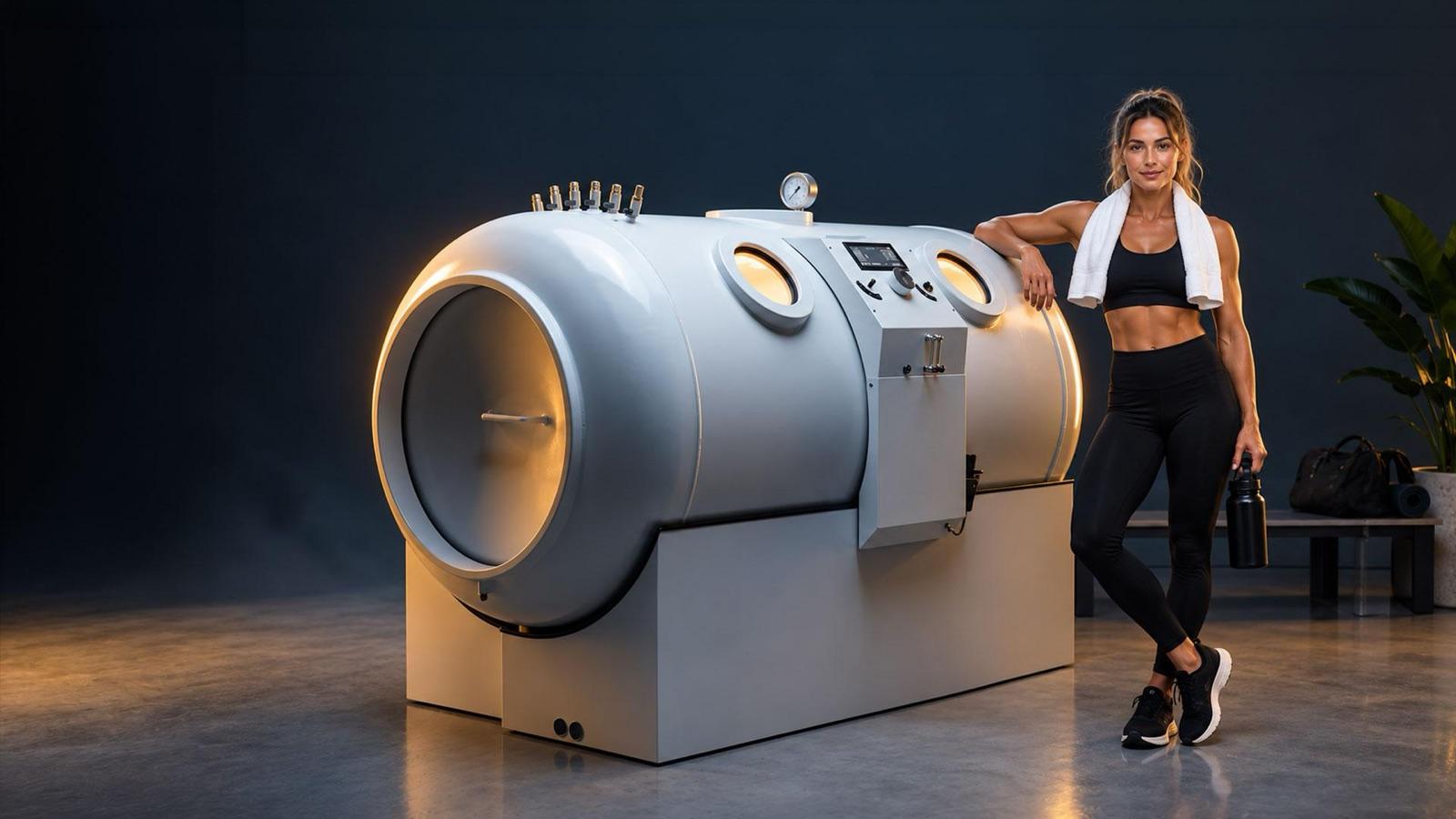
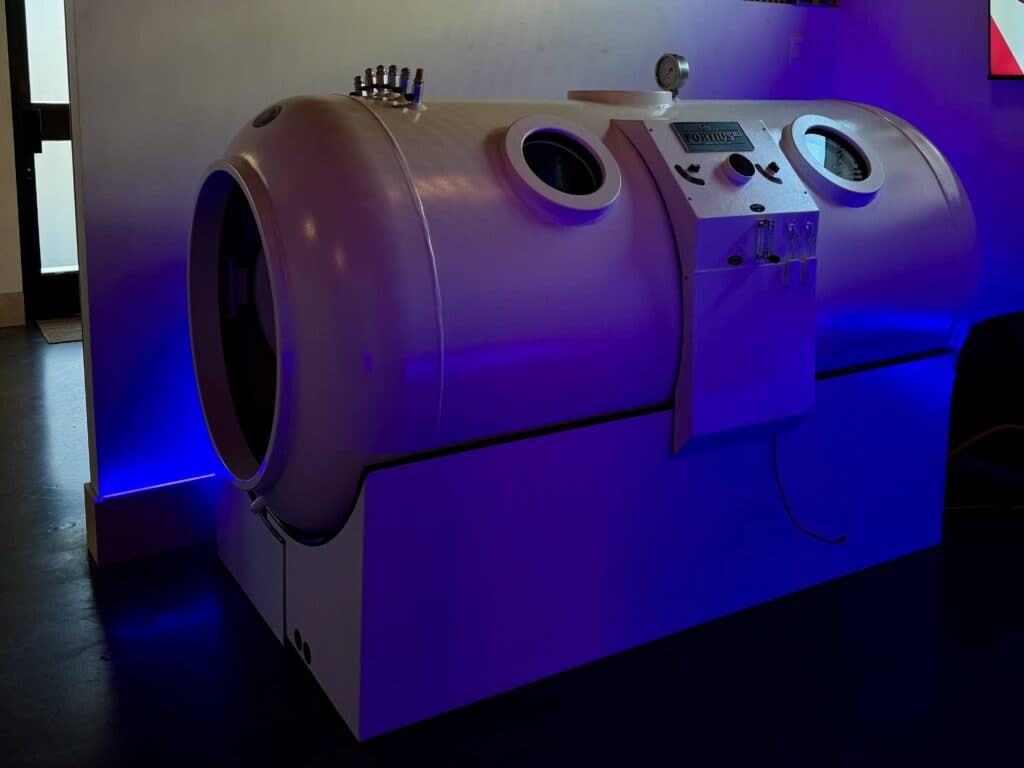
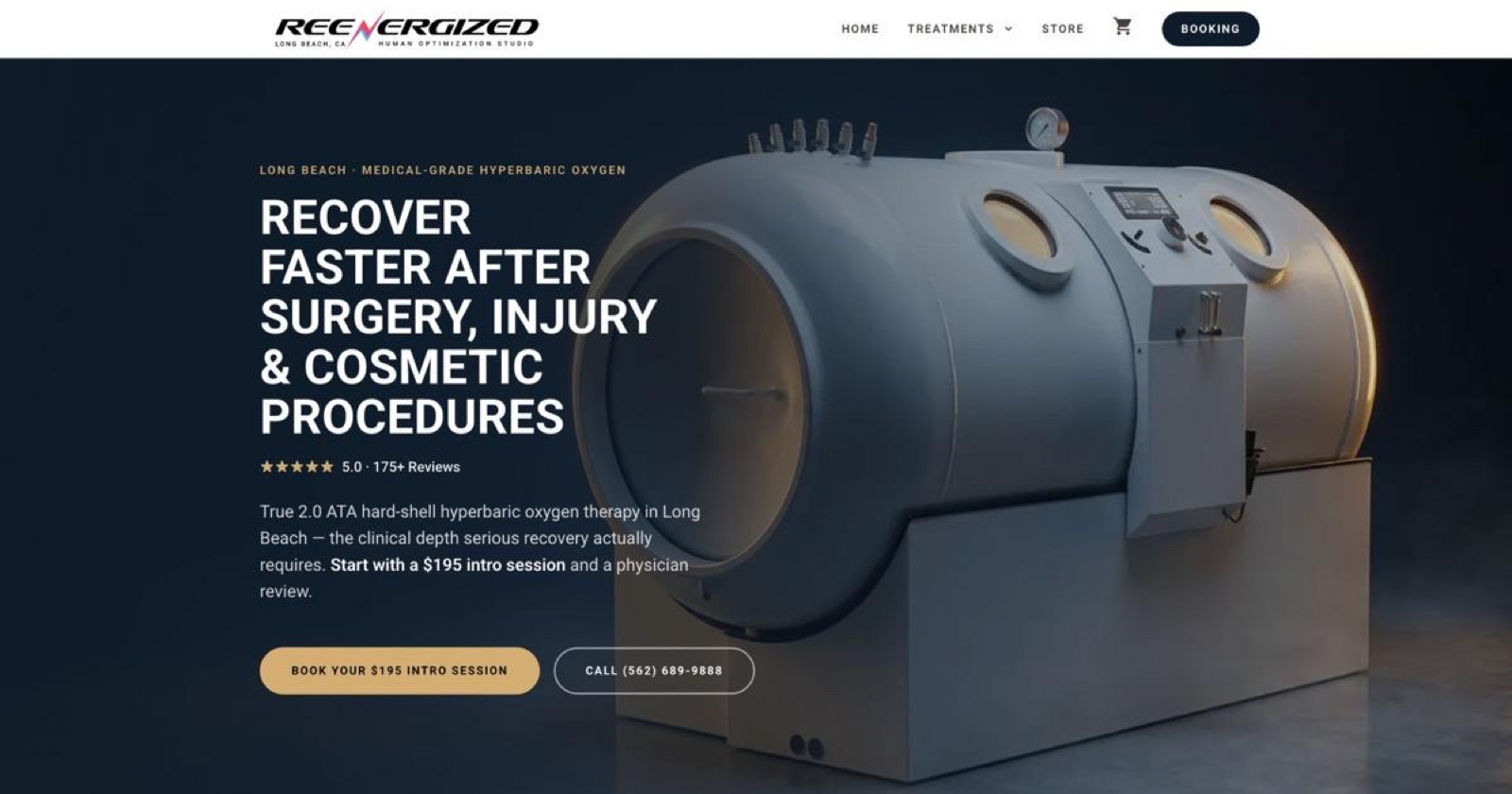
Many of the 40-session trials with the strongest results were run at 2.0 ATA or higher on 100% oxygen. Our Fortius hard-shell chamber reaches 2.0–2.2 ATA, matching the protocols used in the stroke, long COVID, and athlete trials. For conditions where lower pressures have shown benefit, or for clients who need a gentler course, our mild chambers at 1.3–1.5 ATA give us a second option. Either way, we plan the full course upfront because the research shows consistency is what produces results.
Why Choose ReEnergized
We build HBOT programs as complete courses, not drop-in sessions, and we schedule them so a 40-session plan is realistic for your life. Our team learned directly from Dr. Ratansi and other leaders in the field through our Platinum membership with the International Hyperbarics Association. Ask us to map out a course for your goal.
References
- Ratansi Z. "Benefits of 40 Repetitive Hyperbaric Oxygen." Presentation, IHA 17th Annual Conference, Pensacola Beach, FL, October 2026.
- Thom SR, et al. Stem cell mobilization by hyperbaric oxygen. American Journal of Physiology – Heart and Circulatory Physiology, 2006;290(4):H1378–H1386.
- Heyboer M III, et al. Stem Cell Research, 2014;12:638.
- Efrati S, et al. PLoS ONE, 2013 (post-stroke randomized trial).
- Boussi-Gross R, et al. PLoS ONE, 2013 (post-concussion syndrome randomized trial).
- Harch PG, et al. Medical Gas Research, 2020 (persistent post-concussion syndrome).
- Hadanny A, et al. Sports Medicine – Open, 2022;8:22 (master athletes).
- Zilberman-Itskovich S, et al. Scientific Reports, 2022;12:11252 (post-COVID condition).
- Leitman M, et al. Scientific Reports, 2023 (post-COVID cardiac function).
- Löndahl M, et al. Diabetes Care, 2010 (HODFU trial).
- Oscarsson N, et al. Lancet Oncology, 2019 (RICH-ART); long-term follow-up, eClinicalMedicine, 2025.
- Lansdorp CA, et al. Alimentary Pharmacology & Therapeutics, 2021 (HOT-TOPIC).
- Izquierdo-Alventosa R, et al. Therapeutic Advances in Musculoskeletal Disease, 2020 (fibromyalgia).
- Mukherjee A, et al. Undersea & Hyperbaric Medicine, 2014 (cerebral palsy).
The number of sessions and pressure that are right for you should be decided with your physician. This article summarizes published research and conference presentations for educational purposes and is not medical advice.